
Fence, Artificial Grass, Natural Stone and Tent Guides
Articles in the order the questions come up in a project: choosing, installation, then care.
Which height hides what?
Pick a height.
Side and back garden boundaries.
View 150 cm Grass Fence →Choosing
Which product, which size, which model?

2D vs 3D Panel Fence: Differences and Which One to Choose
2D and 3D panel fences compared: how each panel is built, wire diameters, V-folds, sizes, coating, typical uses, and which one suits gardens, schools and facilities.
What Is DTEX in Artificial Grass?
DTEX is the weight in grams of 10,000 meters of artificial grass yarn, so 1 DTEX = 1 gram per 10,000 meters. It helps you assess the yarn but is not a quality indicator on its own. Read it together with pile height, density and yarn type.
Grass Fence Around Factories and Industrial Sites
Around factories and business premises, grass fence marks the property line and screens open storage and loading areas from outside view. It also gives the site a tidier look. On its own it is not a high-security barrier, so plan it together with cameras and controlled gates.
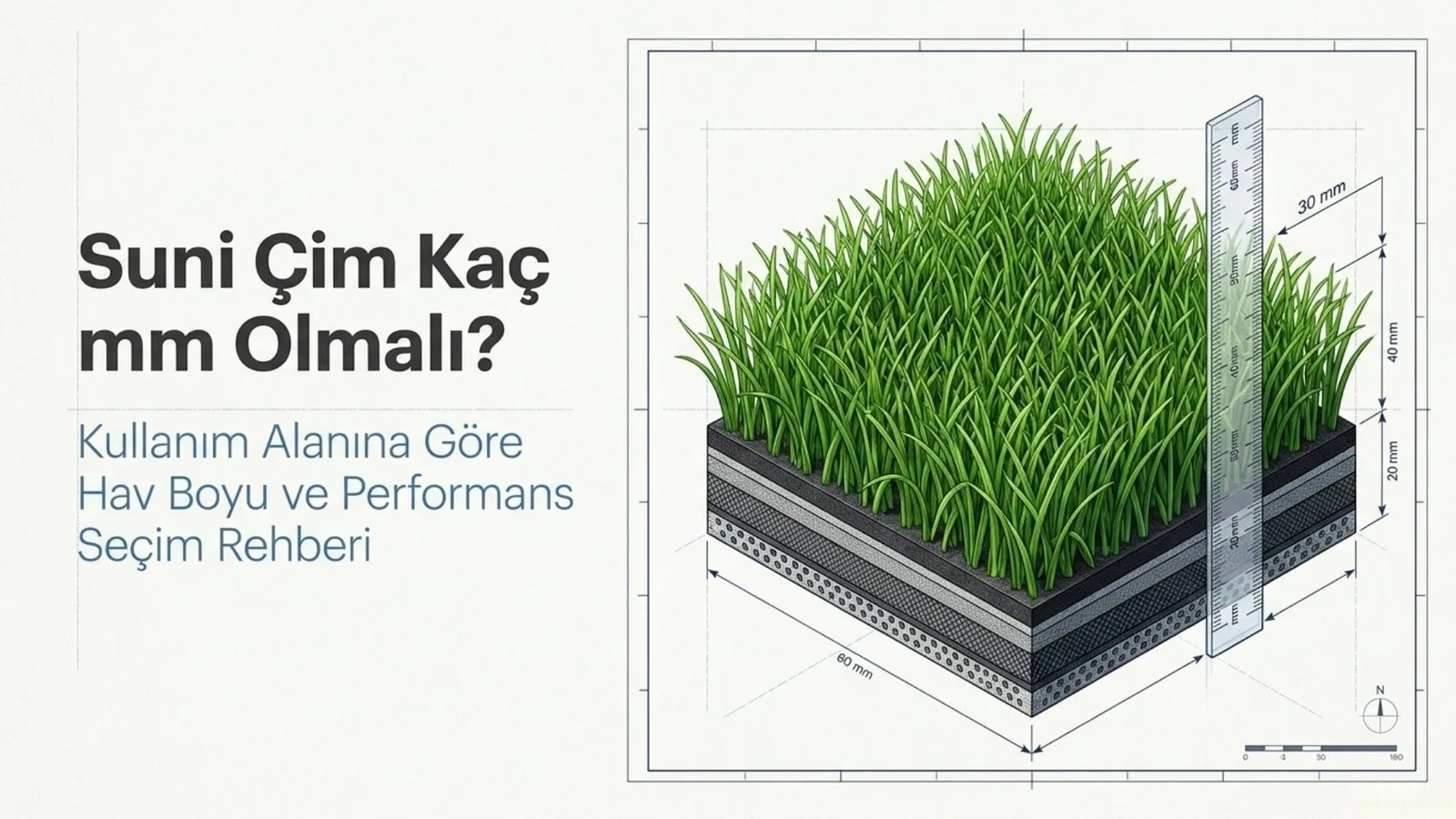
How Many mm Should Artificial Grass Be?
There is no single right pile height for artificial grass. Short pile is used on balconies and terraces and medium pile in gardens and landscaping. Sports pitches take longer pile, depending on the product class. Two products of the same height behave differently due to yarn, dtex and density.

Choosing Artificial Grass: How to Pick the Right Product
When choosing artificial grass, look beyond color and price per square meter. Weigh pile height, yarn type, dtex, fiber density, backing, drainage, UV stabilization and intensity of use together. The starting criterion is the application area.
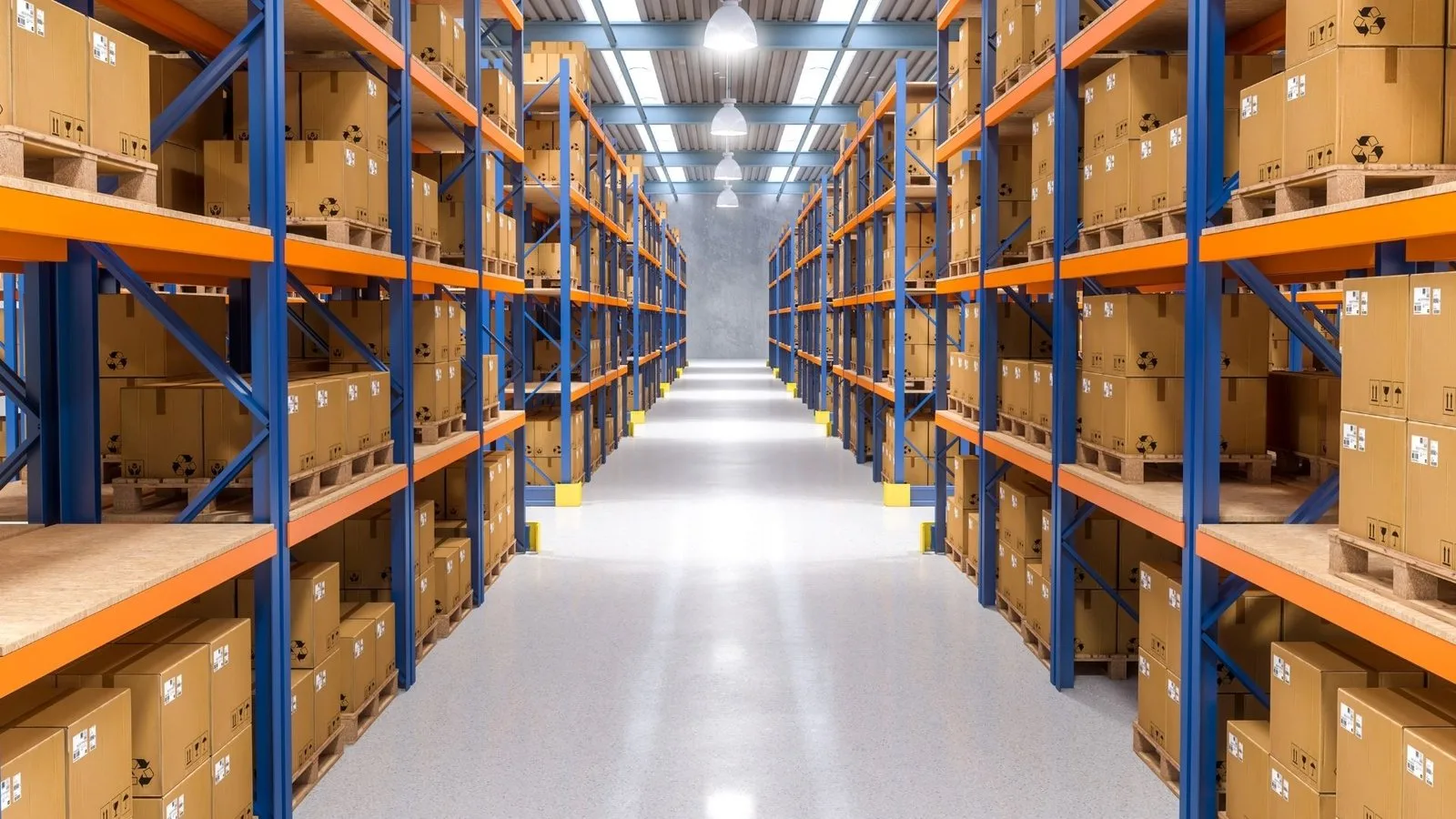
How Do You Calculate Warehouse Capacity?
Work out warehouse capacity in four steps. Start with gross area (width × length) and net usable area (minus aisles, columns and loading areas). Then find the volume (area × internal height) and the pallet or racking capacity. Two warehouses with the same floor area can differ widely in capacity by height and racking layout.

How Does Mesh Size Affect Panel Fence Security?
On a panel fence, the smaller the mesh, the fewer hand and foot holds there are, making climbing and cutting harder. Our 3D panels have a 50x150 mm mesh. High-security sites use the 358 type with a narrow 76.2x12.7 mm mesh.
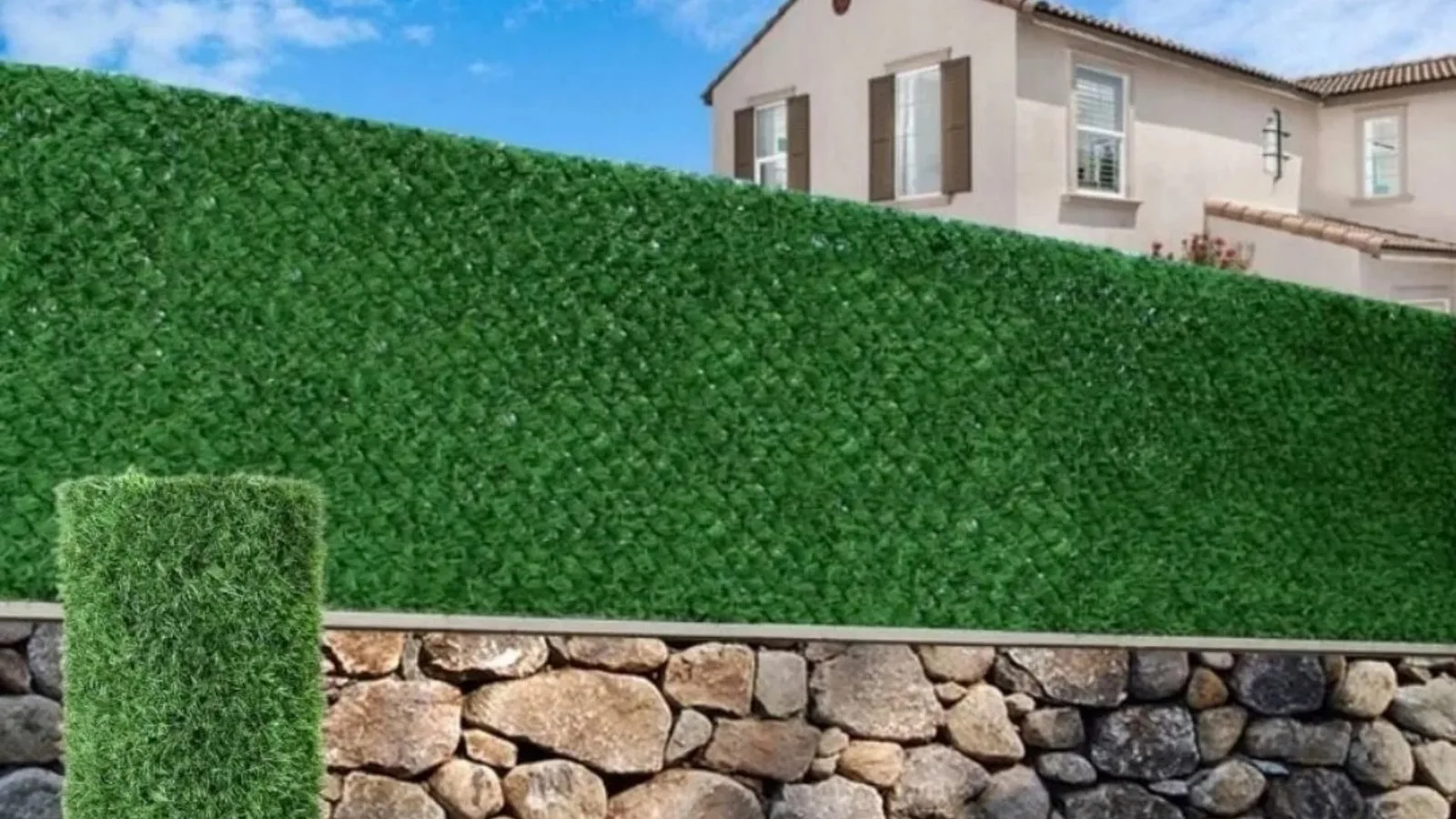
Choosing a Grass Fence Manufacturer
When choosing a grass fence manufacturer, check where the product is made and which height and mesh size options it offers. Also ask how many square meters a roll covers, whose crew does the installation and where, and what the quote includes.
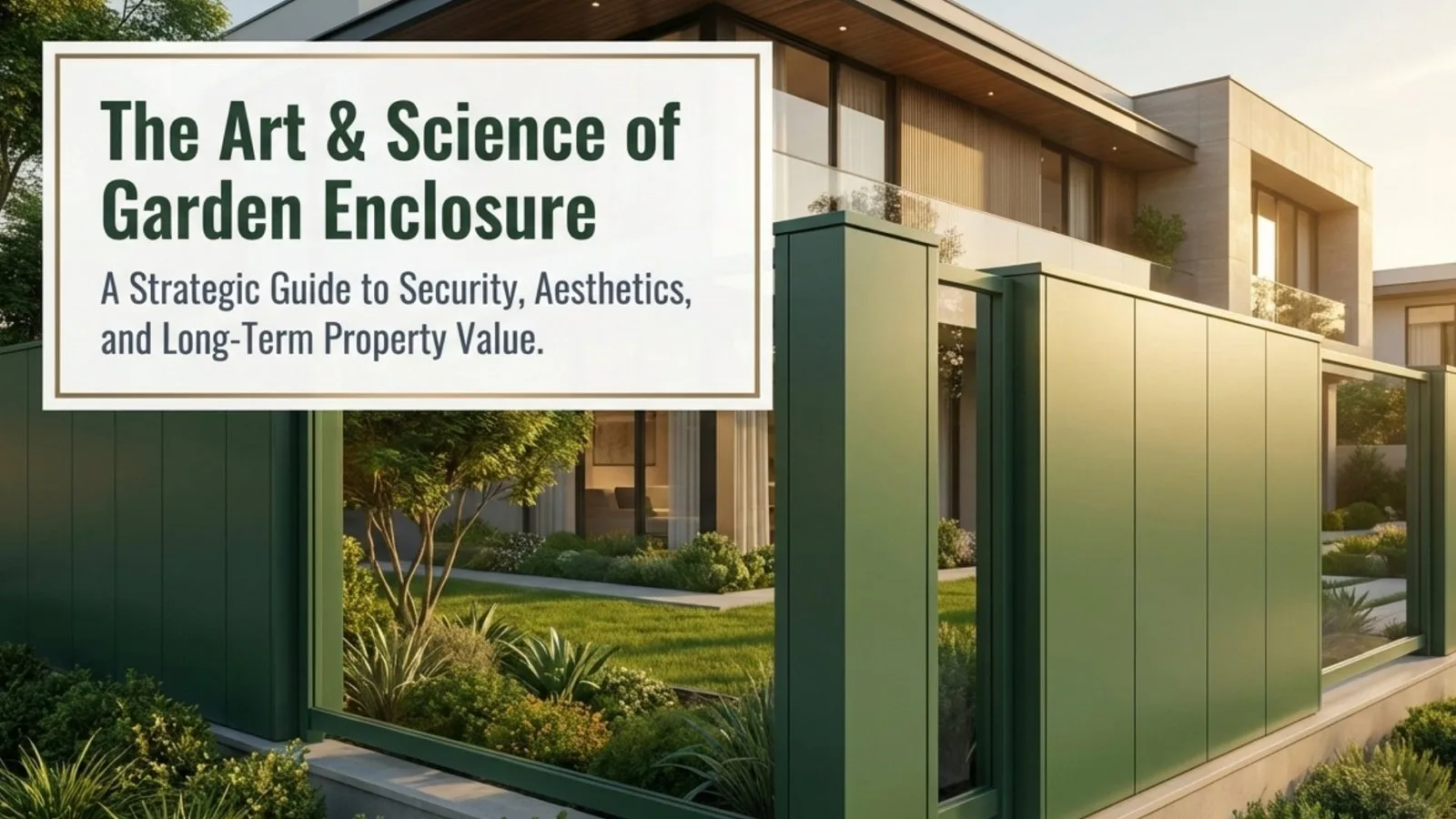
How to Enclose the Front of a Garden: Options Compared
Most front gardens are enclosed with a coated panel fence on steel posts, a wire fence or a low wall with a fence on top. Wire suits long or low-priority boundaries. The right choice depends on security, privacy, the ground and local rules.

What Is Soapstone? Soapstone Countertops
Soapstone is a natural stone rich in the mineral talc, heat-resistant and low in porosity. It withstands hot pots and does not stain. Because it is soft, it scratches easily, but you can sand the scratches out.

Stone Flooring or Ceramic Tile?
Outdoors, in gardens, terraces and walkways, stone flooring is the better fit because it handles impact, frost and slip risk. Indoors, ceramic tile is better because it cleans easily and comes in many patterns.
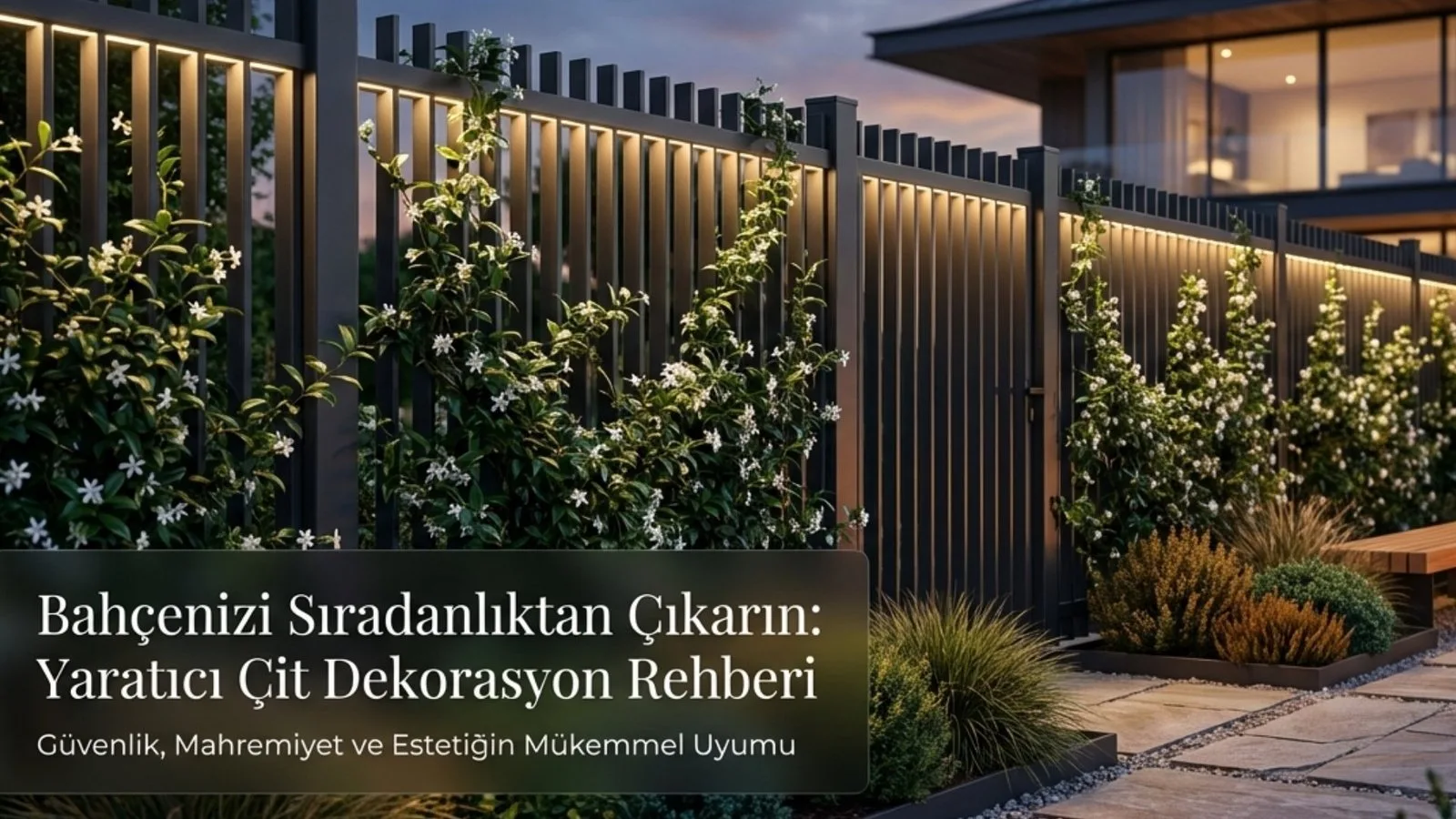
Creative Garden Fence Decoration Ideas
A garden fence can be decorated with plants, lighting, colored or textured finishes and decorative panels. Panel fence, wire fence and grass fence can all carry these. Check the fence's load capacity and wind exposure first.
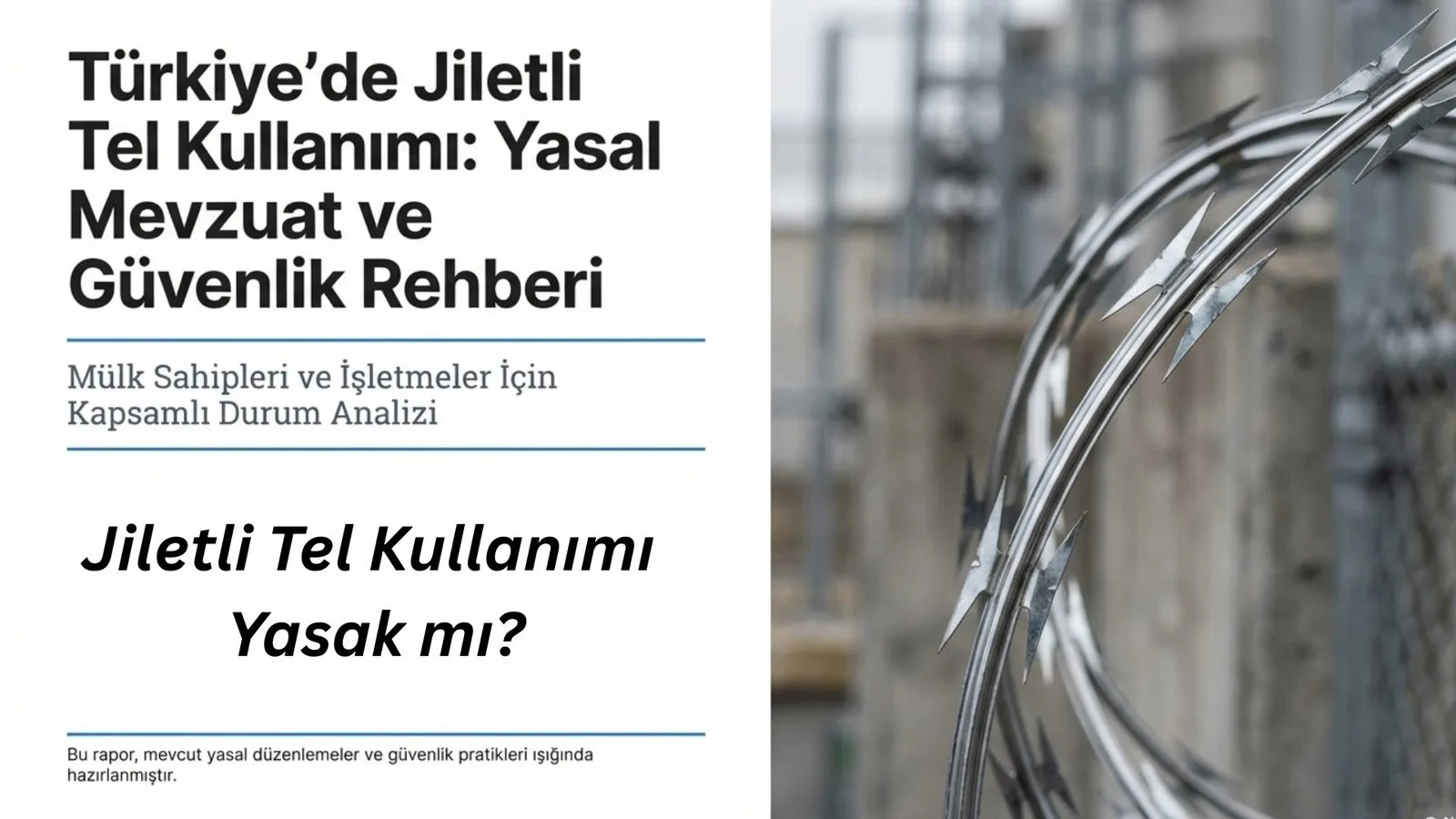
Is Razor Wire Legal in Türkiye?
No law in Türkiye bans razor wire nationwide. However, some municipalities have banned its use on gardens and garden walls. Check your municipal council's decision before installing it.

Methods for Fencing Farmland
Farmland is fenced with wire fence, barbed wire, panel fence or a concrete post system depending on land size, animal pressure and budget. Wire fence keeps the cost down on large plots, and panel fence looks neater near settlements.

Steel Post or Concrete Post?
A galvanized steel post is light, goes in quickly and is the usual choice for panel fences. Concrete posts are heavy and rigid, and farmland and heavy chain link runs often use them. Fence type, ground and maintenance expectations decide which one fits.
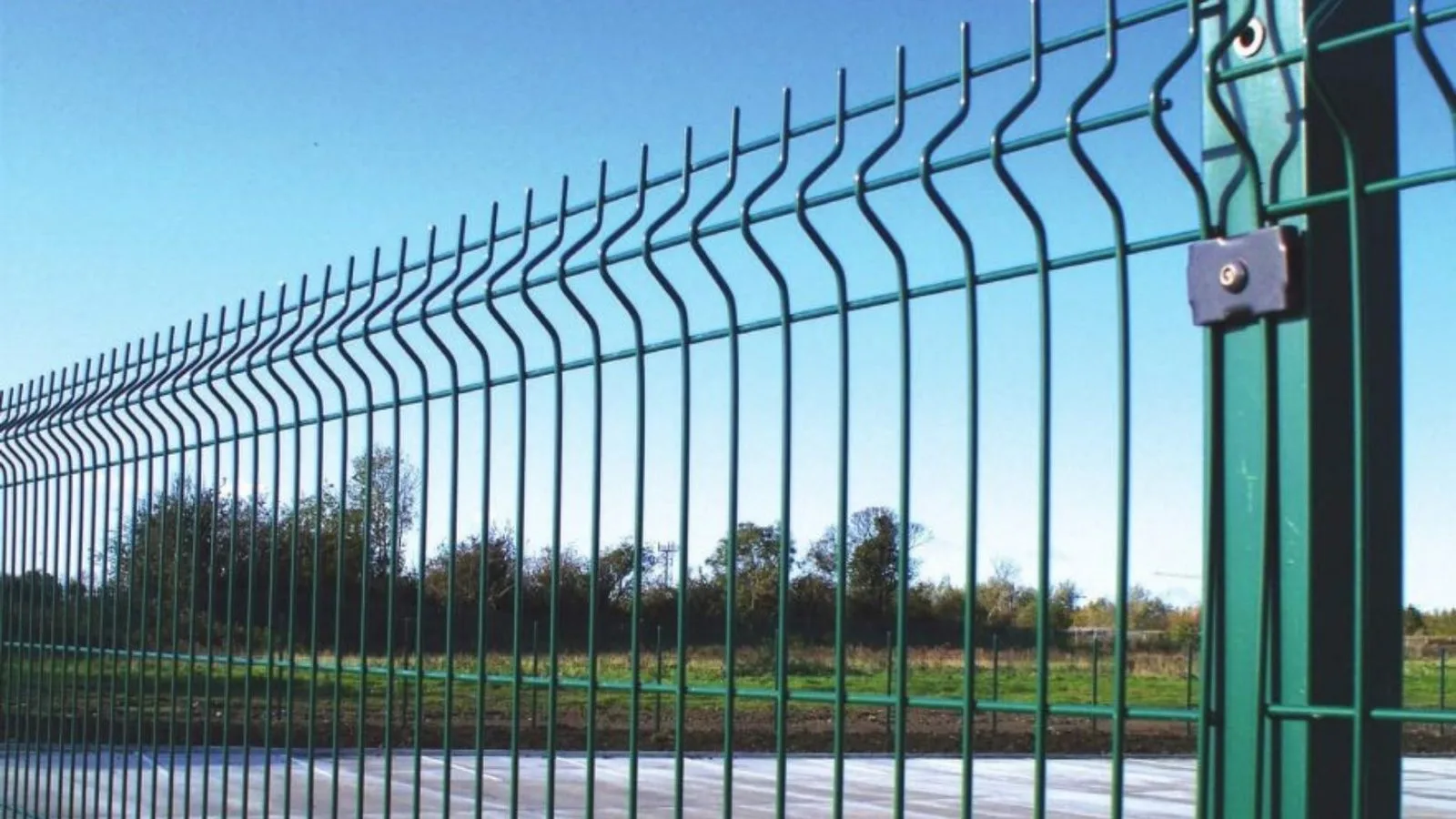
What Are Panel Fences Made Of? Steel, Zinc and PVC Coating
Panel fences are made of steel wire welded into rigid panels and galvanized with zinc against rust. They are usually finished with a PVC or polyester powder coating, which adds a second protective layer and the color. Posts, clamps and fixings complete the system.
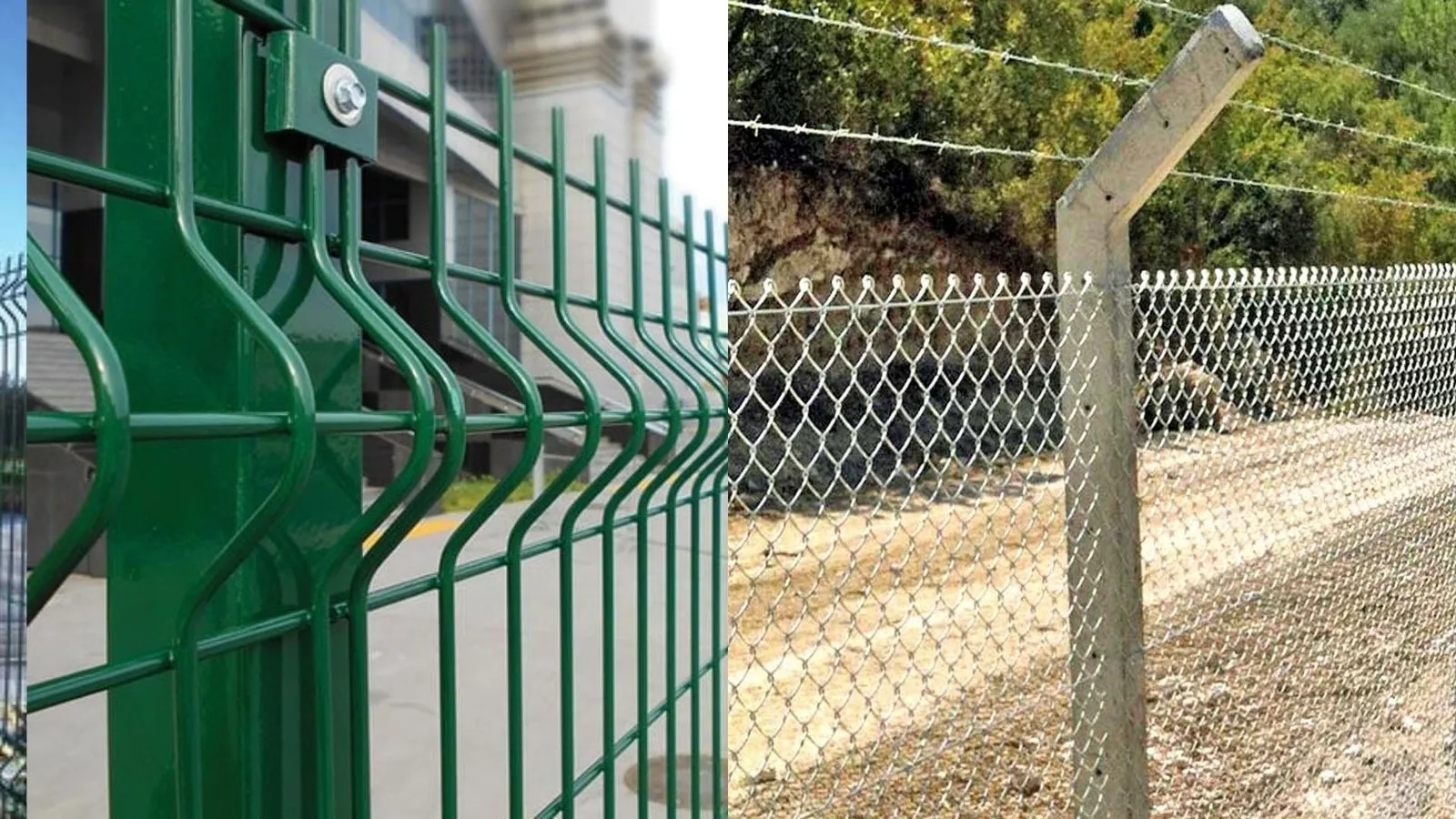
Panel Fence or Wire Mesh Fence: Which Lasts Longer?
A welded panel fence is generally more durable than a woven wire mesh fence. Its rigid panels and fixed posts resist impact and sagging, and coated panels resist corrosion better. Wire mesh costs less to start with and suits long, low-security boundaries.
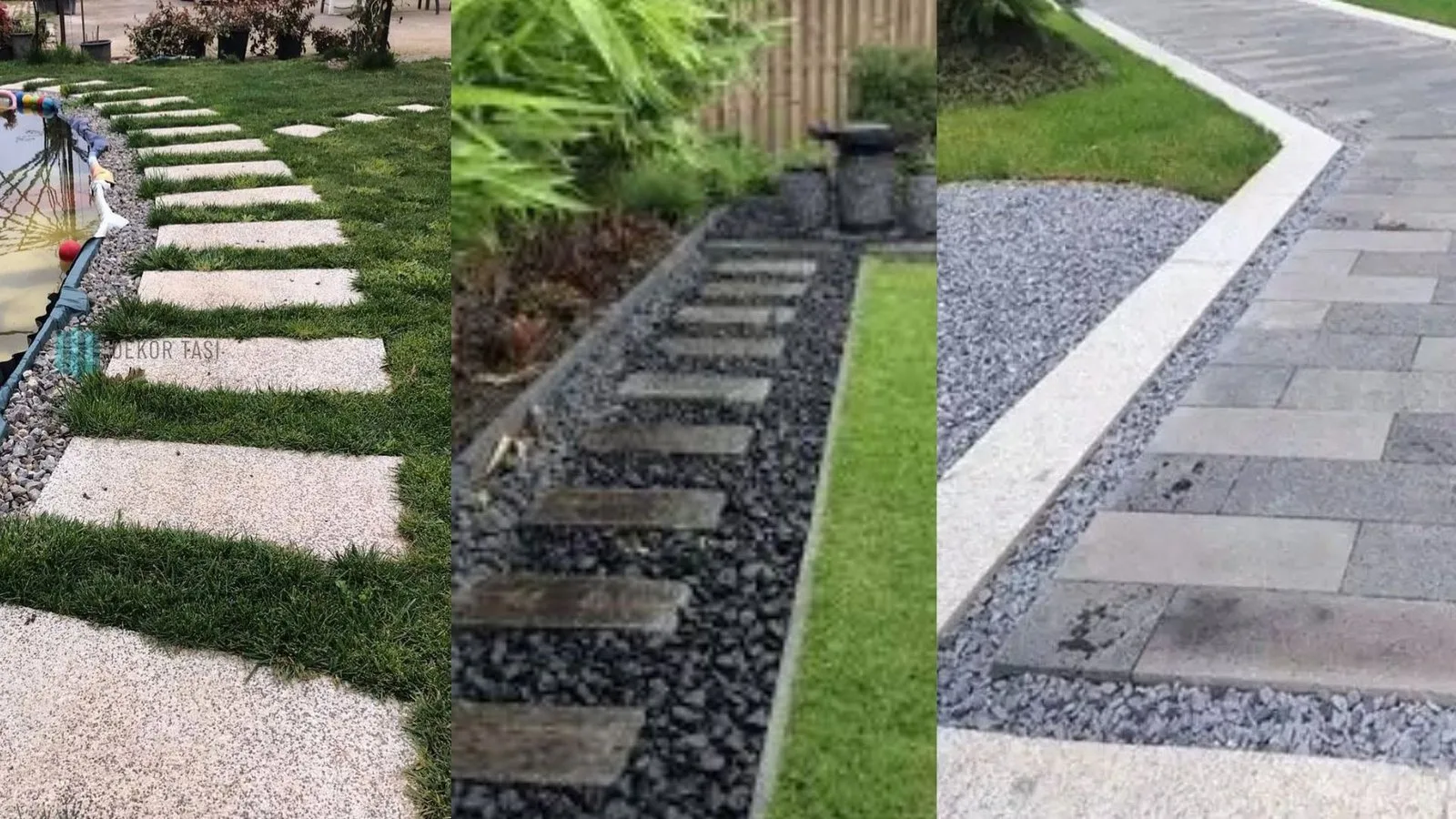
Most Durable Flooring Stones: Granite, Basalt and Andesite
Granite and basalt are generally the hardest-wearing of the three because they are dense, hard igneous rocks. Andesite is also durable, but its performance varies more with porosity. For any stone, the finish, the thickness and the base it is laid on matter as much as the rock type.
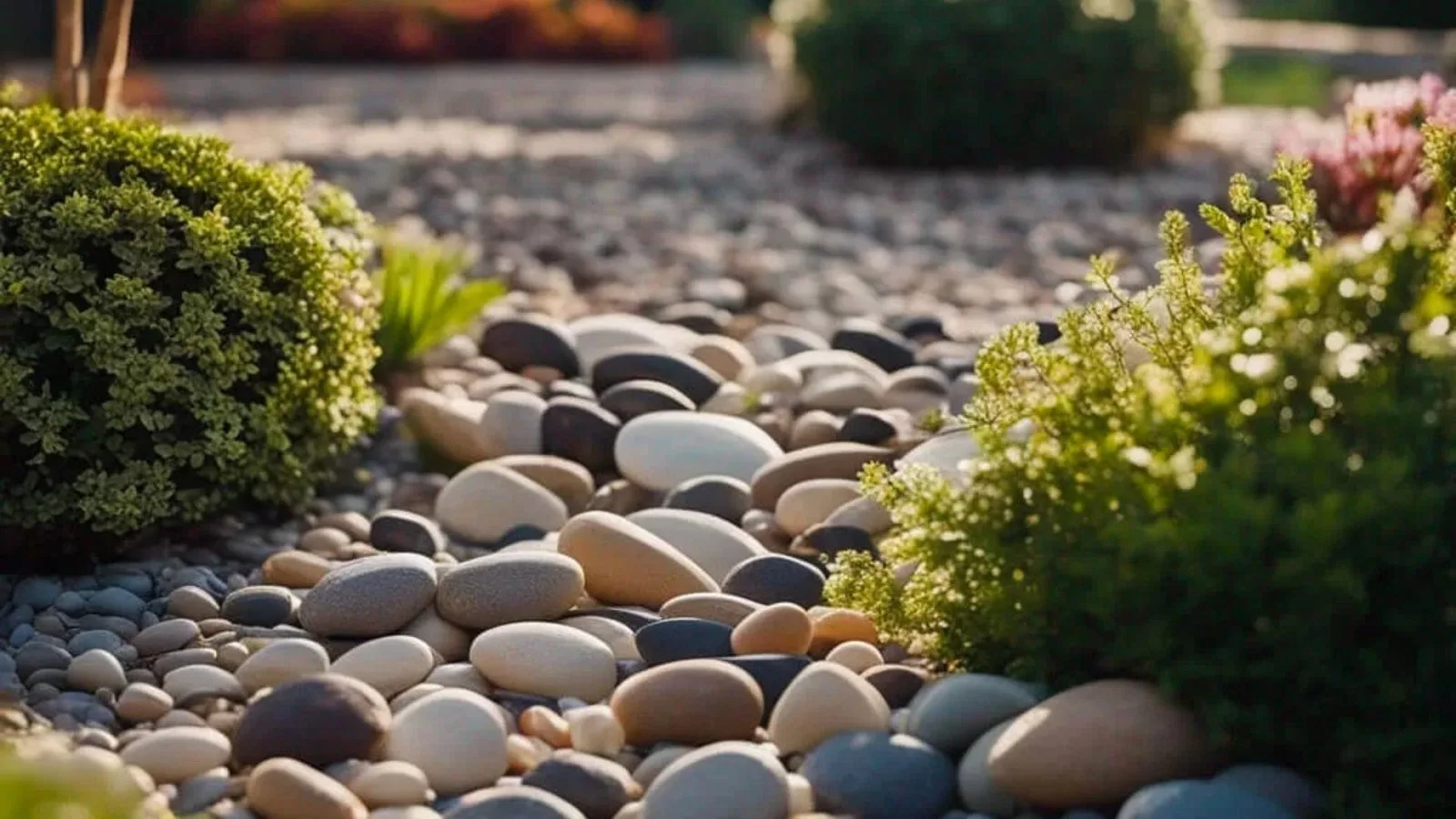
What Is Basalt Stone? Properties and Uses in Home and Garden
Basalt is a dense, fine-grained volcanic rock, usually dark gray to black. It is hard-wearing, so it is used for paving, garden paths, steps, wall cladding and water features, both indoors and outdoors.
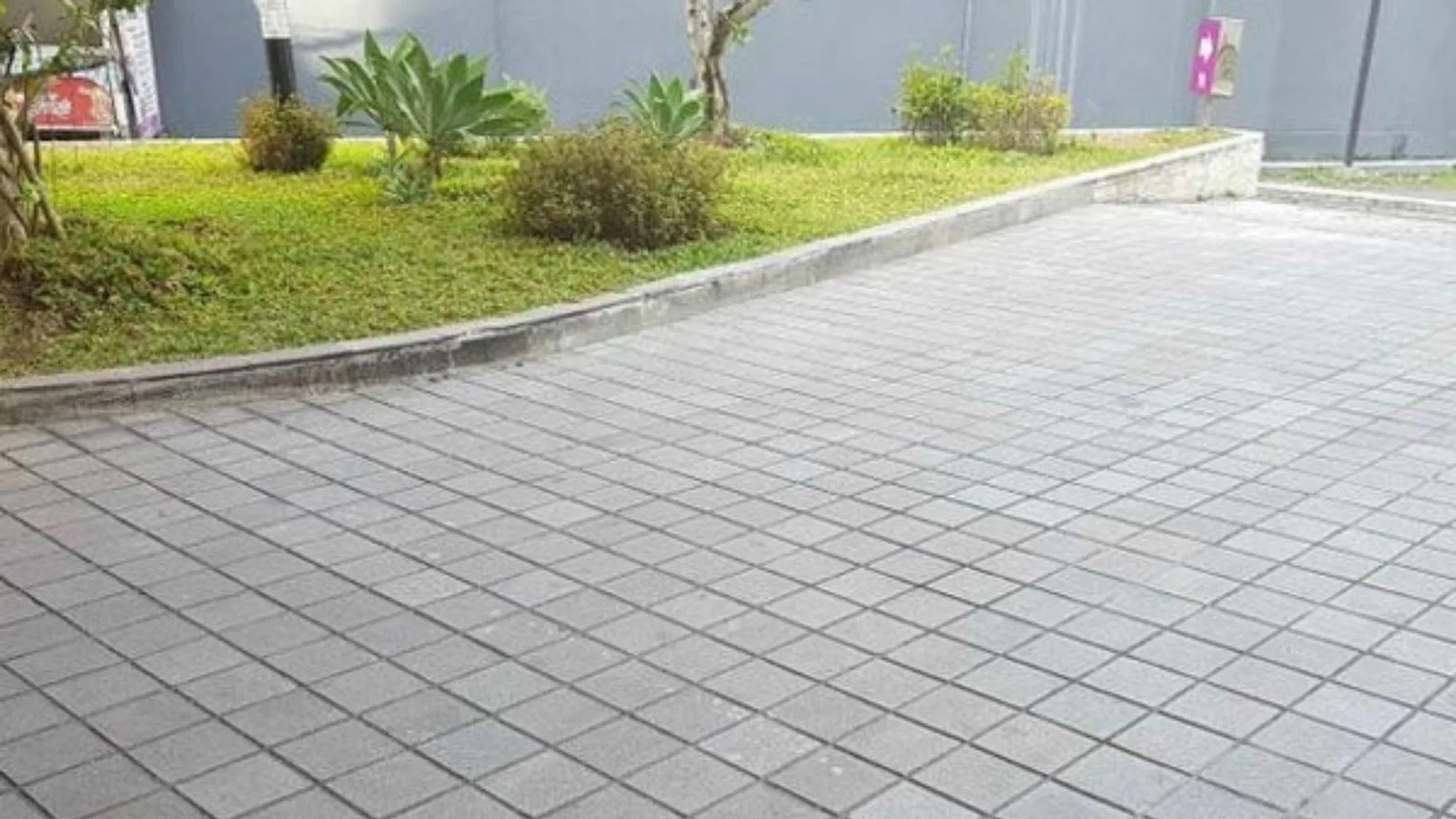
Using Andesite Stone in Modern Architecture
Andesite is a gray volcanic stone that suits modern architecture. Its muted color matches concrete and metal, and its textured surface gives grip outdoors. It is used for paving, steps, curbs and wall cladding, and lasts best on a compacted, well-drained base.
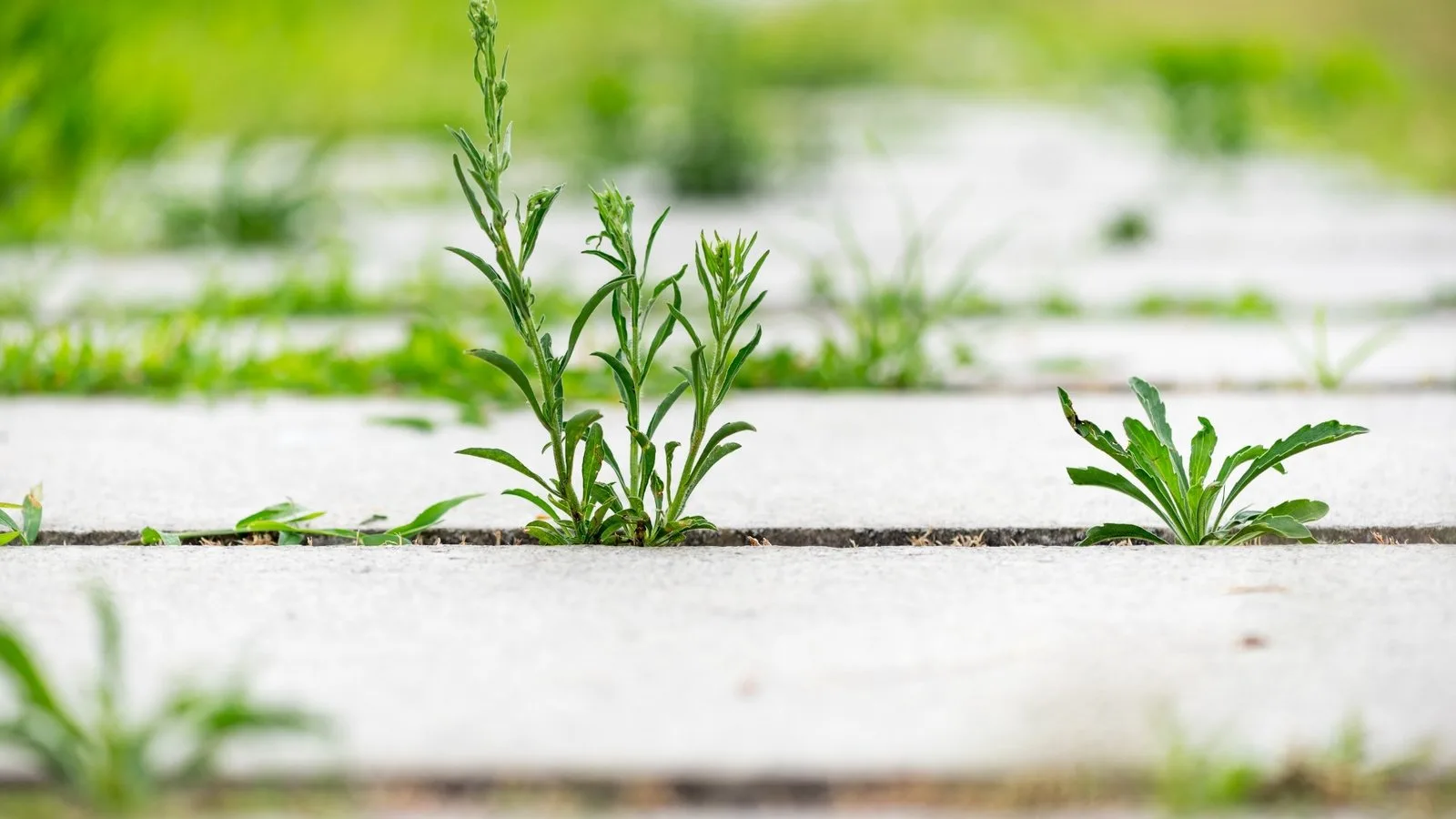
Natural Stone Cladding in Modern Architecture: A Practical Guide
Natural stone cladding is a facing of cut stone applied to walls, facades or floors over a structural base. In modern architecture it is chosen for its texture and color. The stone type, surface finish and fixing method decide how well it performs.
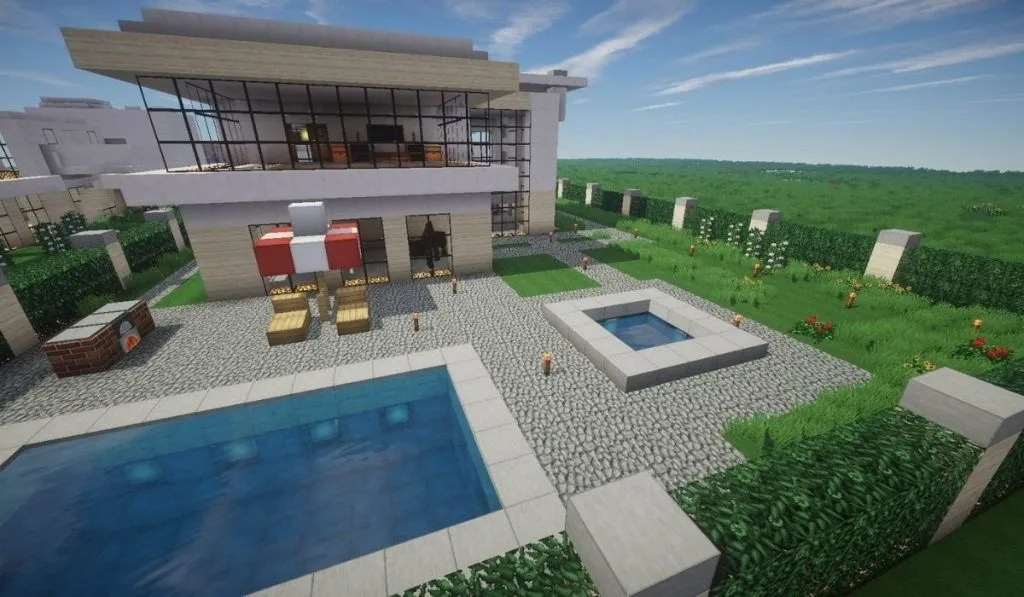
Pool Fence Ideas: Safety, Privacy and Fence Types
A pool fence has two jobs: keeping unsupervised children and visitors away from the water, and screening the pool from view. Use a rigid panel fence with a self-closing gate to control access, then add a grass fence screen on top for privacy.
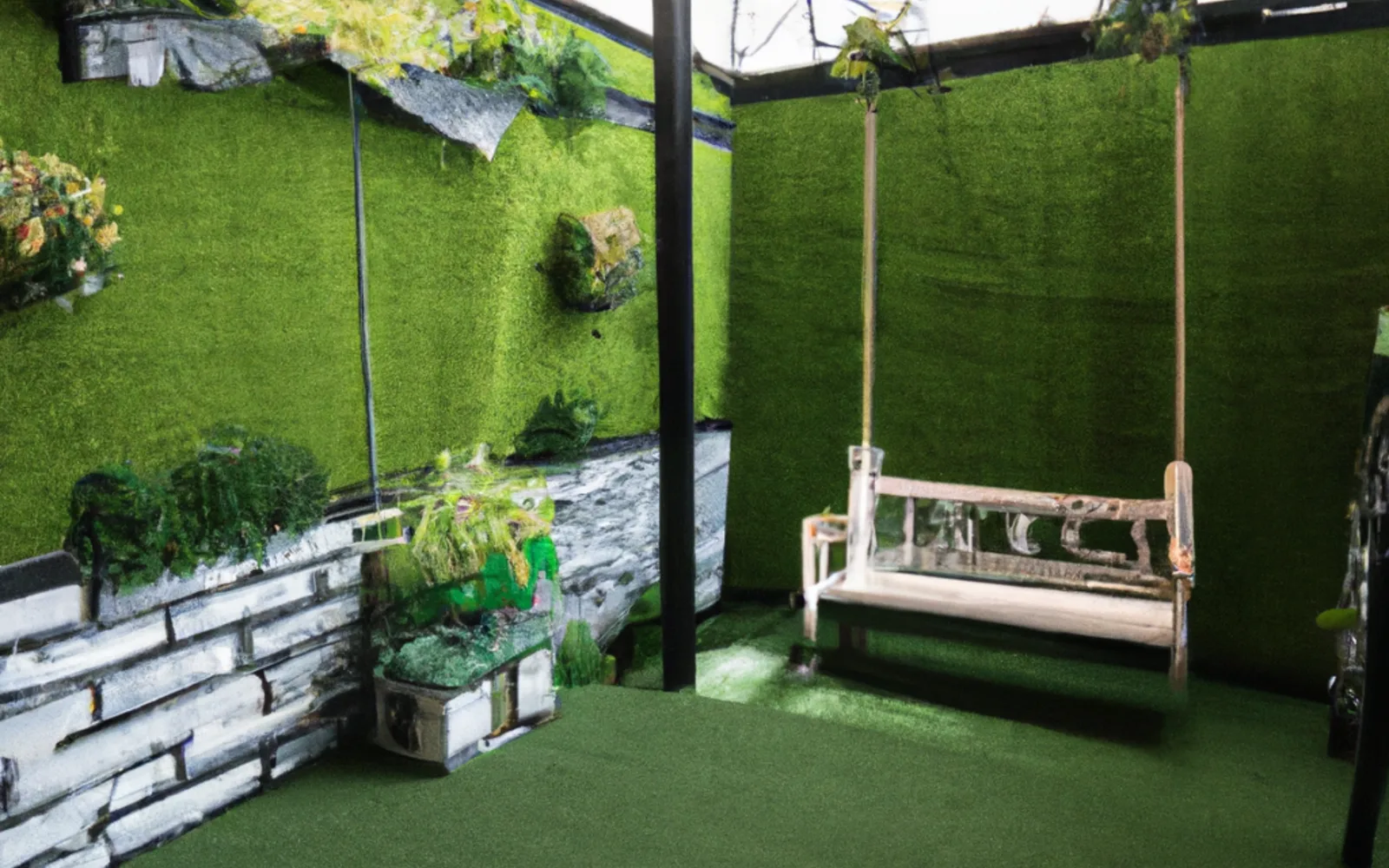
Grass Wall Panels for Indoor and Outdoor Walls
A grass wall is artificial grass fence material fixed to a wall, frame or mesh to create a green surface. Outdoors it screens terraces, garden walls and boundaries. Indoors it works as an accent wall in homes, shops and offices.
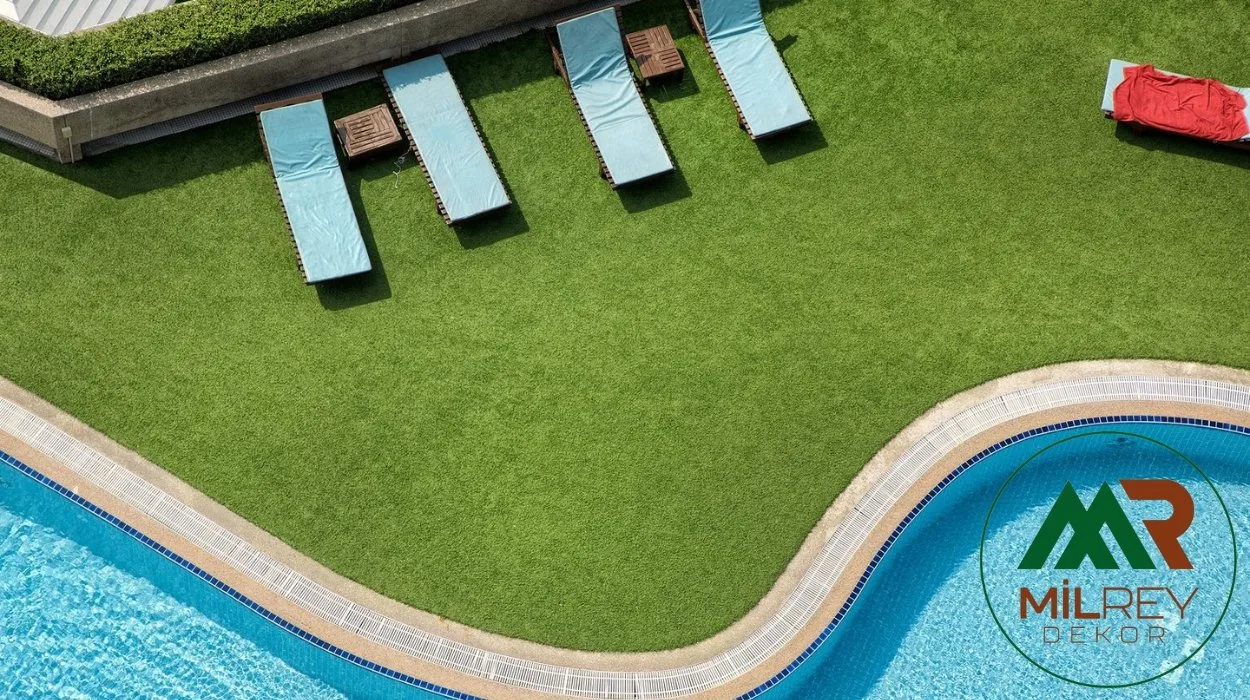
Safest Non-Slip Poolside Surface: Is Artificial Grass Good?
No poolside surface is completely slip-proof. The safest options are textured surfaces that drain quickly, such as well-installed artificial grass, rubber flooring, slip-resistant tiles or textured natural stone. Artificial grass grips well and feels soft, but needs a draining base.
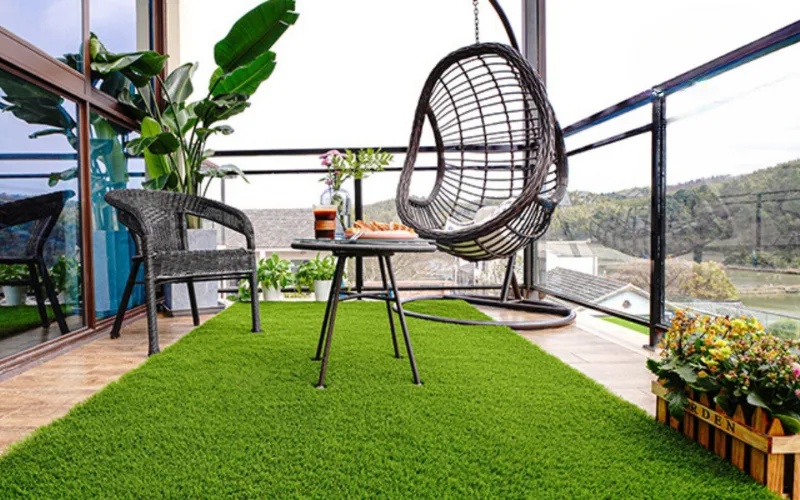
Artificial Grass for Terraces and Balconies: A Practical Guide
Artificial grass works on terraces and balconies if you protect the waterproofing, keep drains open and choose a short, dense landscape grass. Lay it loose or with outdoor-grade tape or adhesive, never with nails or pegs through a roof membrane.
Does Artificial Turf Let Water Through? Drainage Explained
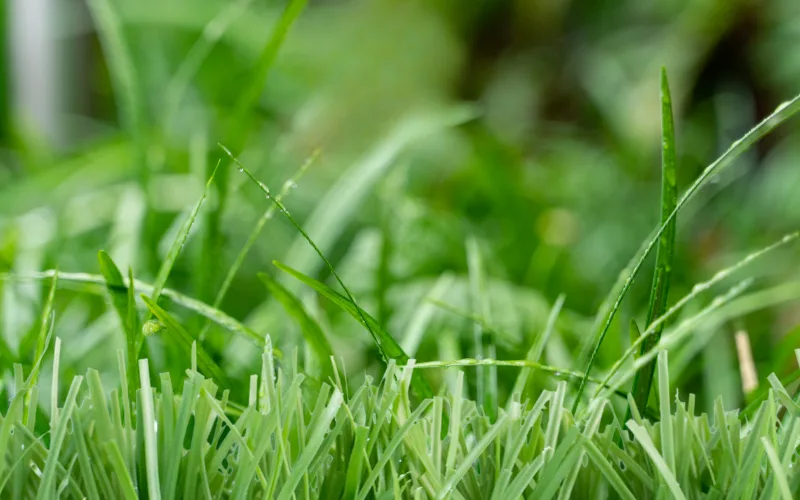
Yes. Artificial turf lets water through its perforated or fully permeable backing. It drains well only if the ground below carries the water away. That takes a free-draining stone base, a fall on hard surfaces or a drainage system.

What Is Hybrid Grass? How It Compares with Artificial Turf
Hybrid grass is natural grass reinforced with synthetic fibers. The living grass grows through a synthetic carpet or around fibers stitched into the rootzone. It is more stable than natural turf, but unlike fully artificial grass it still needs mowing, water and light.

Artificial Grass for Dogs and Pets: What to Check
Artificial grass works well for dogs if urine can drain straight through it. Choose a fully permeable backing and lay it on a free-draining sub-base. Rinse the toilet area regularly and give pets shade on hot days.
Installation
Measuring, fitting and installation.
How to Cover a Chain Link Fence with Grass Fence for Privacy
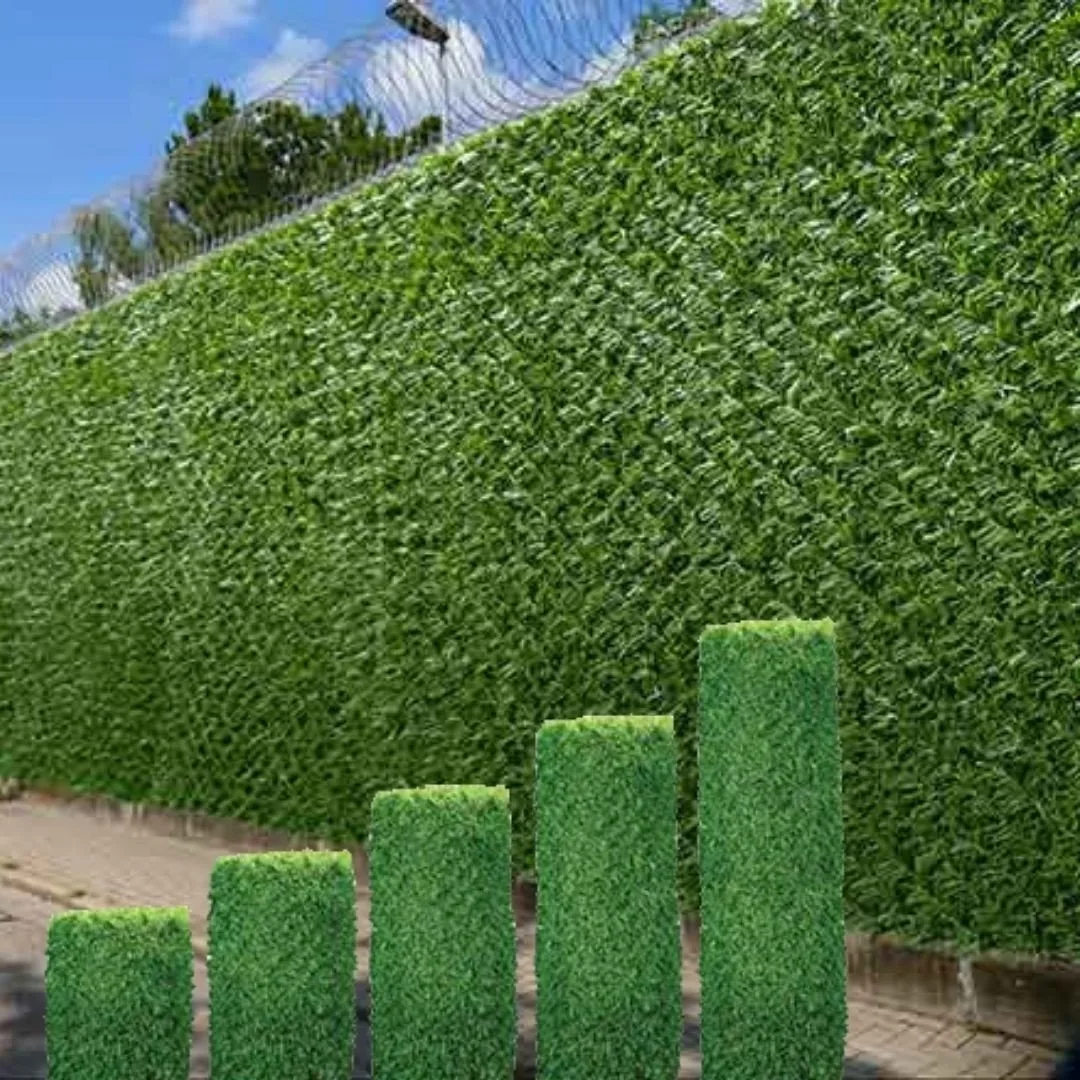
How to cover a chain link fence with grass fence rolls for privacy: matching the height, choosing the mesh density, counting rolls, fixing to the wire and checking the posts for wind.

Grass Fence Systems on Panel Fences
To cover the back of a panel fence, grass fence is attached to the inner face of the panel. Chosen at the same height as the panel, it does not stick out at the top or leave a gap at the bottom. The closed surface adds wind load, so check the posts and fixings first.

Pebble Stone Paving: A Good-Looking Fix for Drainage Problems
Pebble stone paving carries rainwater down to the lower layers through the gaps between the stones. Laid over geotextile felt, crushed stone and leveling sand, it reduces standing water and mud on the surface.
Natural-Looking Walkways with Paving Stones
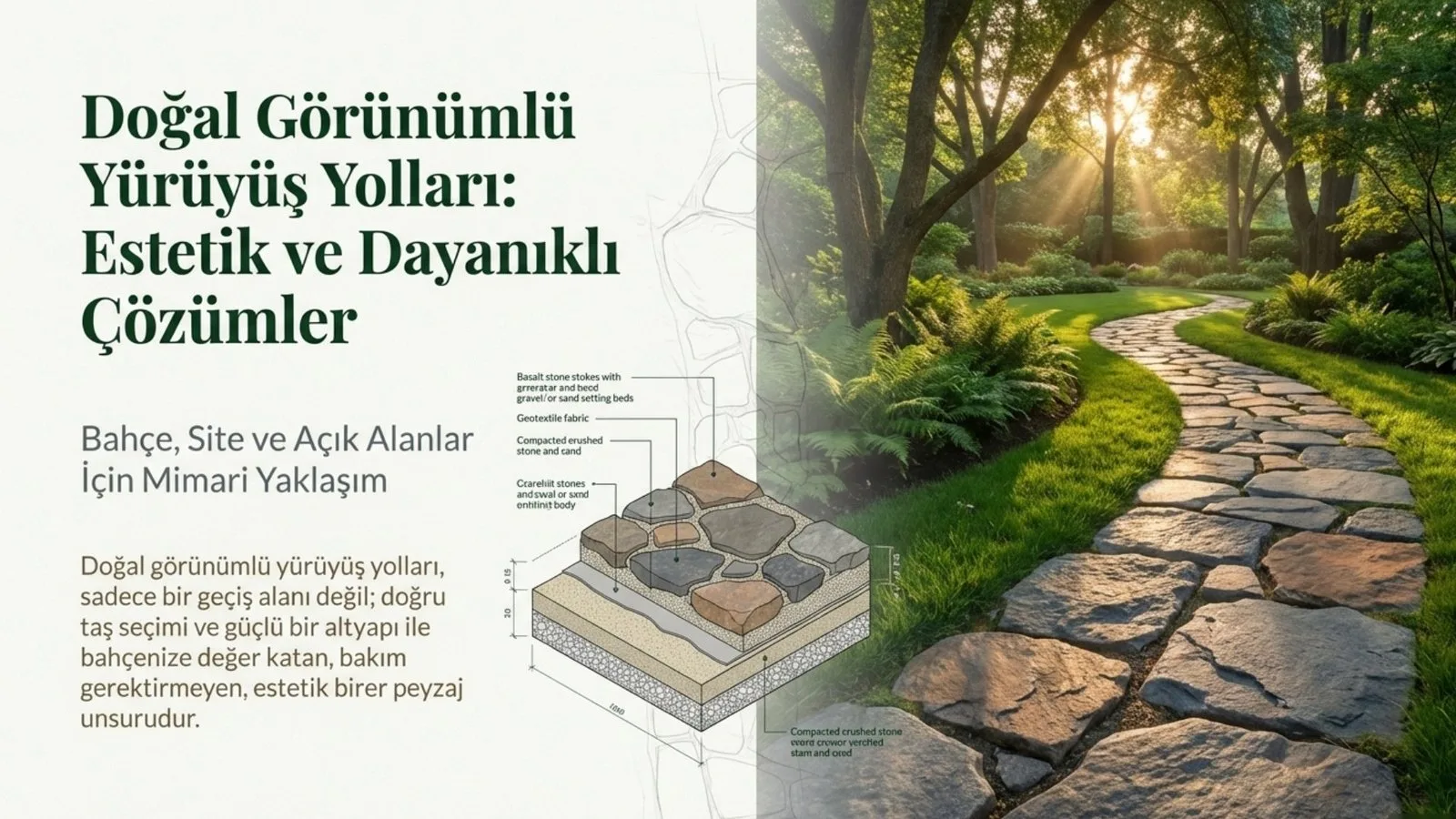
A natural-looking walkway is built with natural stones such as basalt and andesite, earth-toned interlocking pavers, or stepping stones spaced out in the grass. What makes it last is the sub-base: stabilized base, drainage layer and sand or crushed stone.
Ideas for Laying Stone on Soil
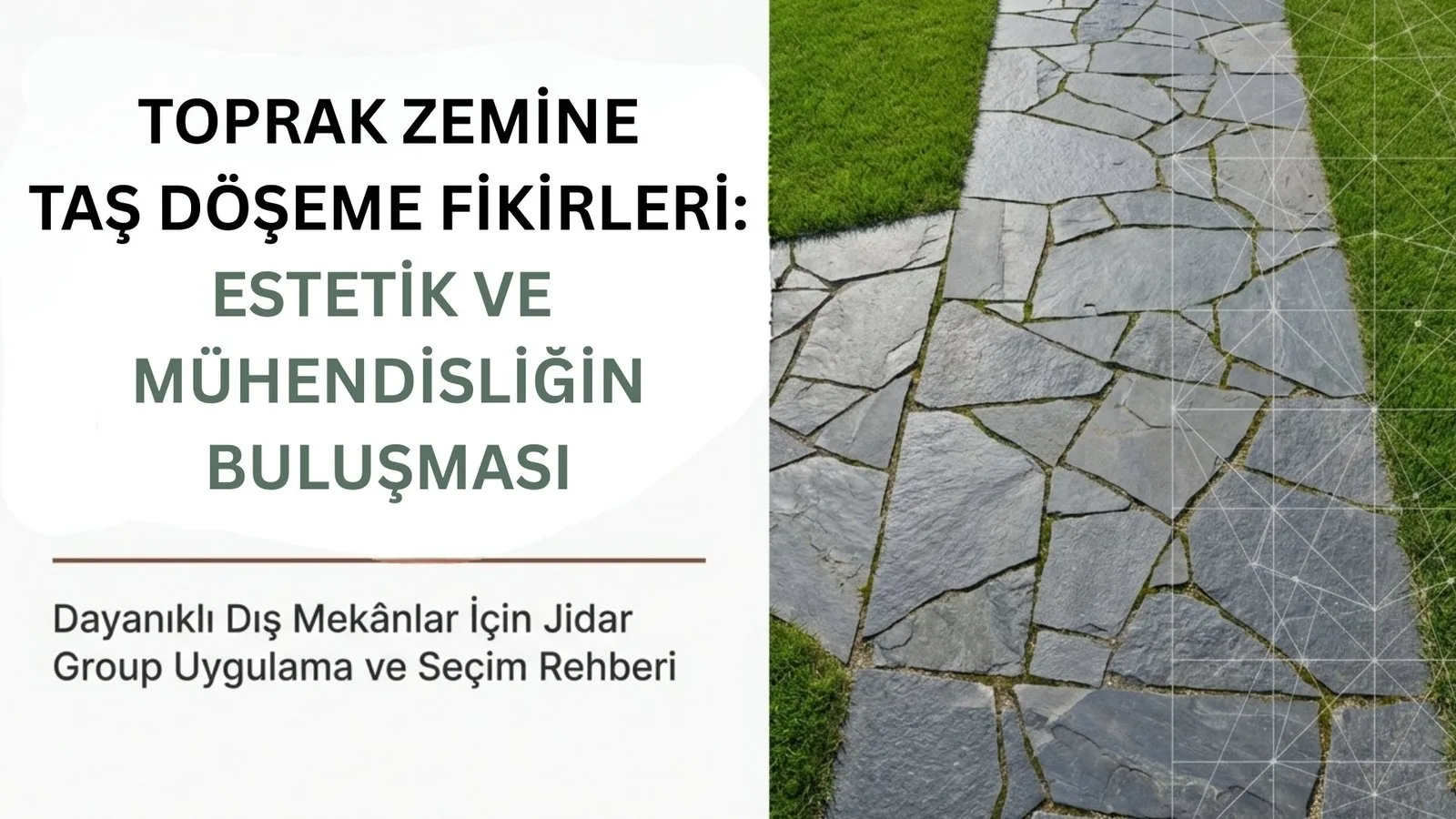
Stone is never laid directly on soil: the soil is compacted, crushed stone and leveling sand go down, then the stone is laid and the joints filled. Choose the stone by use, slip resistance and climate.
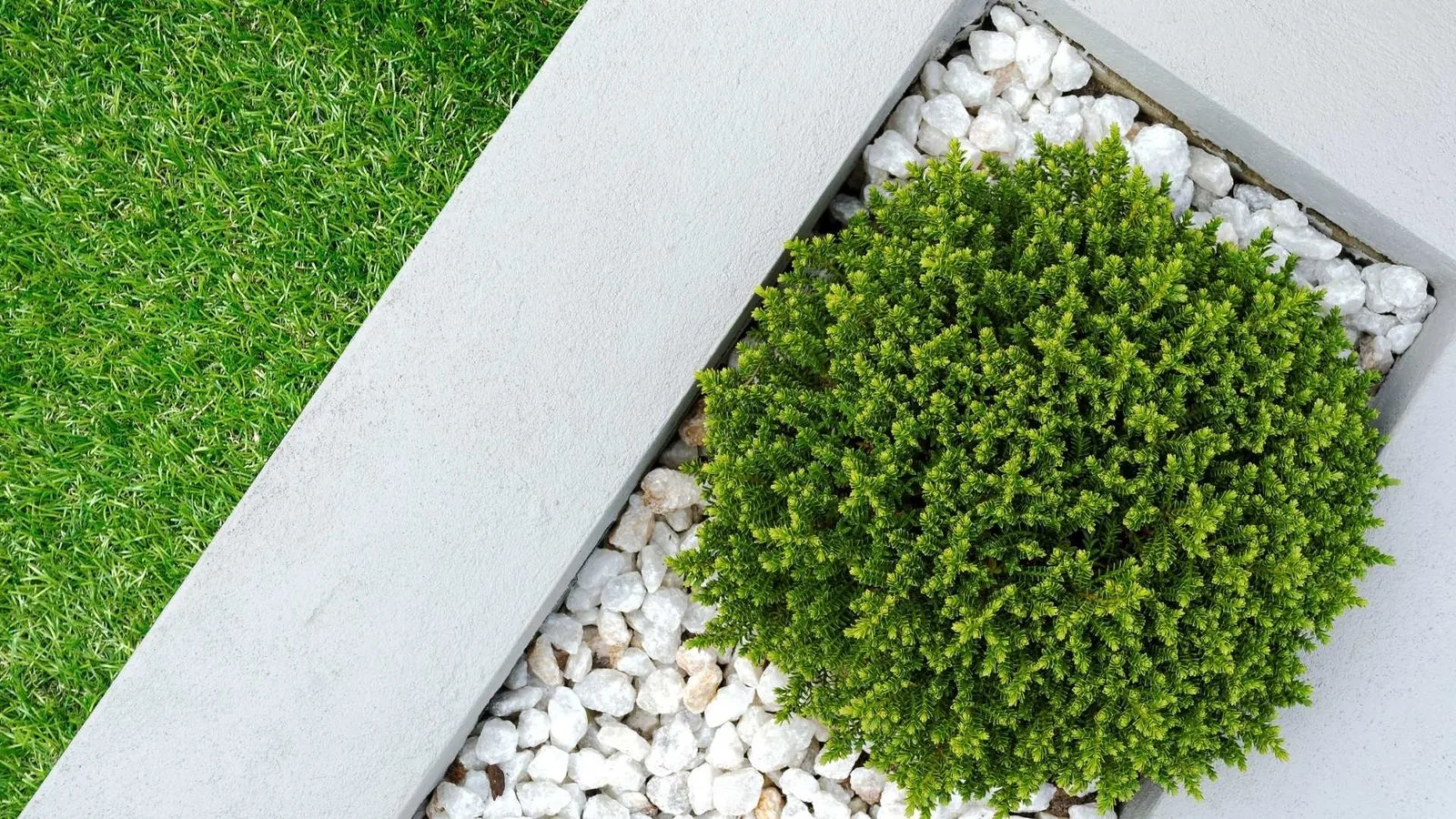
Landscaping with Pebbles and Gravel: What to Plan First
Plan a pebble or gravel landscape in five steps. Choose the stone for the job (path, bed or drainage) and prepare the ground with a weed membrane and drainage base. Then fix the edges, plan the colors, and compact and maintain the surface.

How to Install Artificial Grass Fence Panels
Artificial grass fence goes either on an existing fence or on a new panel fence. For a new fence, set the posts and mount the panels. Then unroll the grass fence along the panels and fix it with clips or cable ties at the top, bottom and in between. That keeps it tight in the wind.
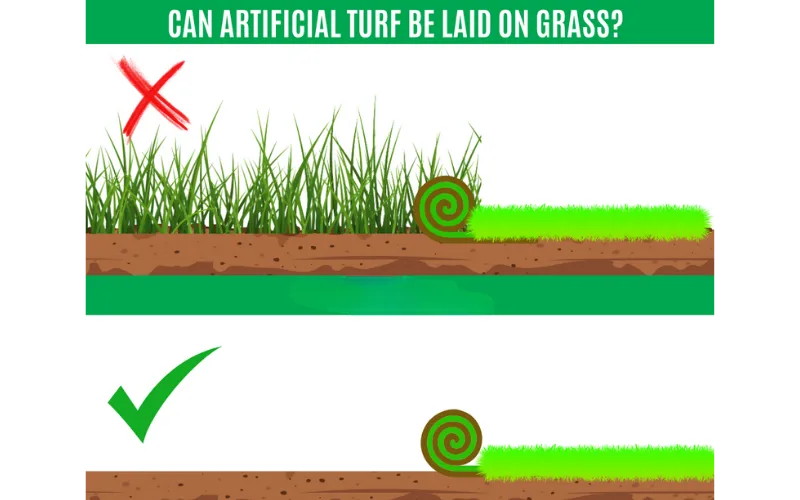
How to Install Artificial Grass on Soil, Concrete or Lawn
To install artificial grass, remove existing grass and debris and build a compacted, level, free-draining base. Lay a weed membrane and roll out the turf in one direction. Join seams with tape and adhesive, fix the edges, then add infill if needed and brush.
Durability and care
Use, care and what happens over the years.
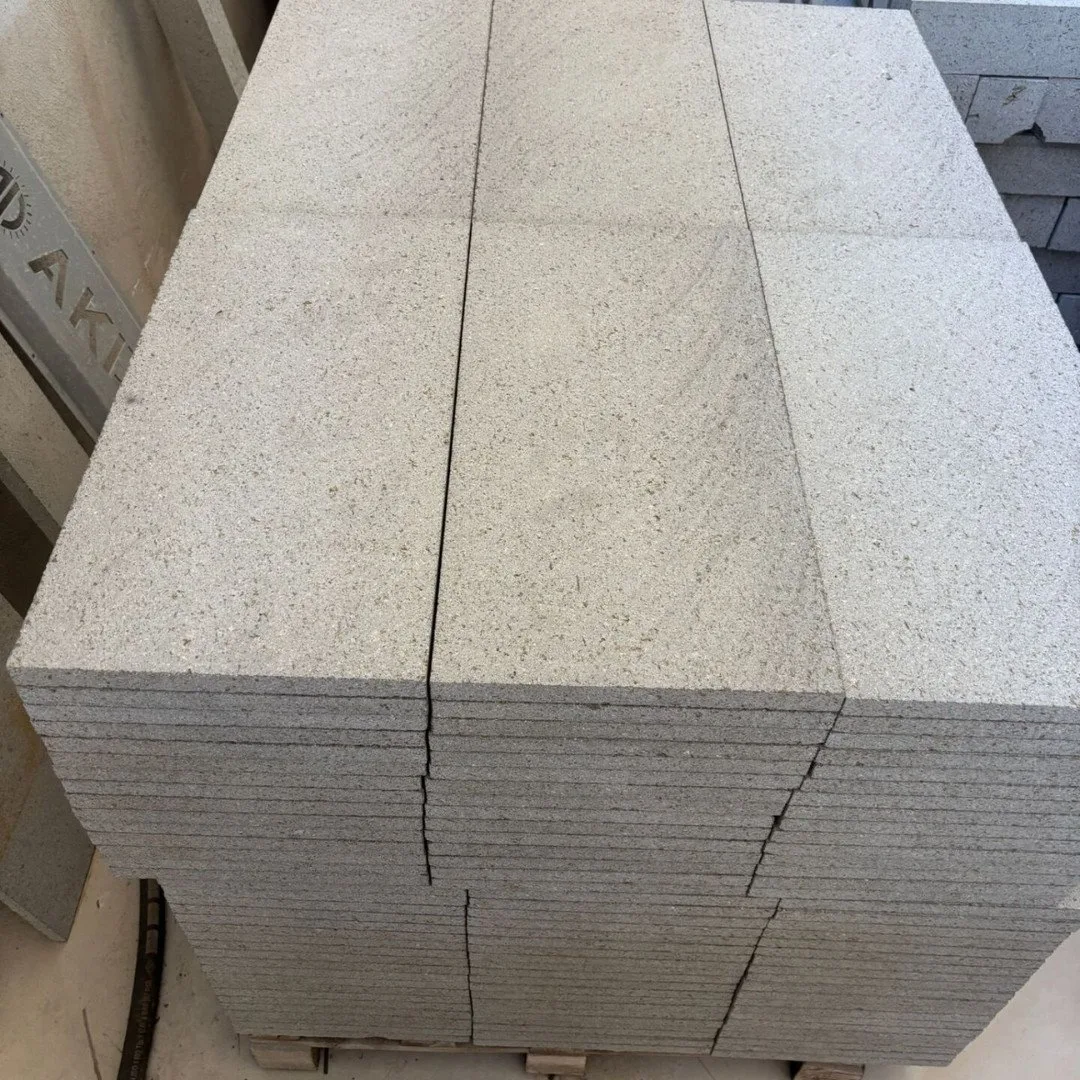
Does Natural Stone Burn Your Feet in Summer?
Natural stone in full sun can get hot enough on summer afternoons to be uncomfortable for bare feet. Color matters most. Light-toned, textured stone and shade reduce the hot area.

How to Maintain Pebble Stone
Pebble stone is maintained by regular sweeping, weed control, leveling with a rake and adding fresh stone to the top layer when needed. Gravel laid over geotextile felt and a compacted stabilized base needs less maintenance.
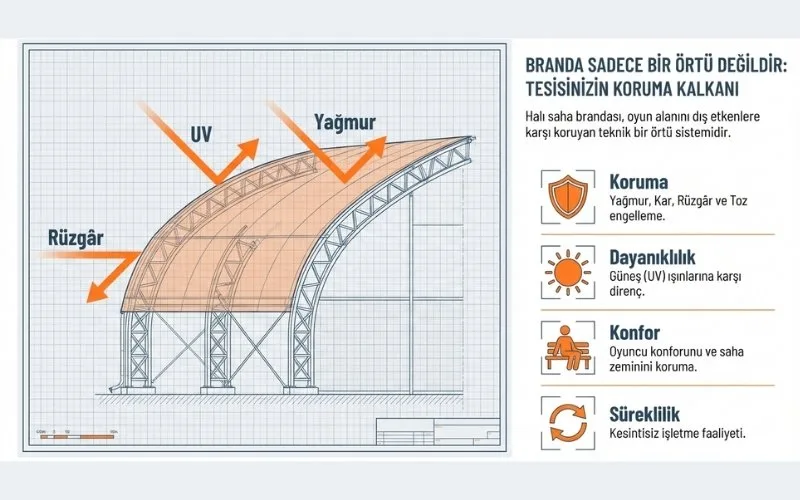
How to Repair a Football Pitch Tarpaulin
Football pitch tarpaulin repair means fixing tears, holes or split seams with a patch of the same tarpaulin type, stitching or hot-air welding. If there is widespread UV cracking or several large tears, consider replacing the tarpaulin.

Natural Stone Cleaning and Maintenance
Natural stone is cleaned with warm water, a pH-neutral cleaner and a soft brush. Acidic products, bleach and abrasives damage the surface. Seasonal deep cleaning is recommended for outdoor stone, and a water-repellent sealer for porous stones.
How to Clean a Grass Fence: Step-by-Step Guide
Clean a grass fence by brushing off dust and debris, rinsing it with a hose, and washing stubborn dirt with mild soap and a soft brush. Rinse off all soap, let it dry fully, and avoid harsh chemicals and abrasive tools.
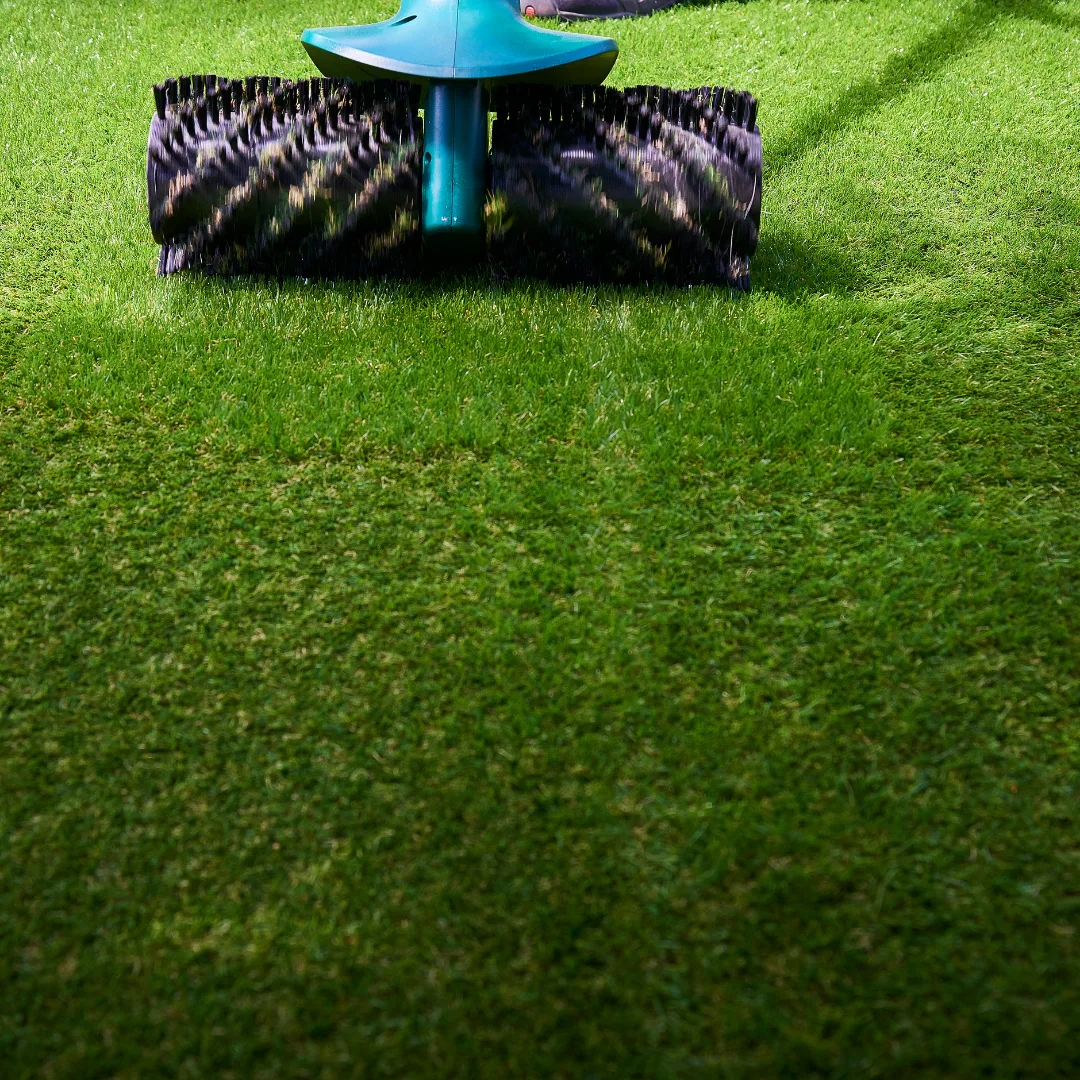
How to Clean Artificial Grass: Routine Care and Stains
Clean artificial grass by clearing leaves and debris, brushing the fibers against the grain so they stand up, and rinsing with water. Rinse spills and pet mess promptly with mild soap. Avoid harsh chemicals and sharp tools.

Didn't find what you need?
Send us your question or your measurements and we will get back to you.