
Summarize this article with AI Open a summary of this article in your preferred assistant
Natural stone cladding is a facing of cut stone applied to walls, facades or floors over a structural base. In modern architecture it is chosen for its texture and color. The stone type, surface finish and fixing method decide how well it performs.
Natural stone cladding is a layer of cut stone fixed to a wall, facade or floor to form its visible surface. The stone does not carry the building's load. Common cladding stones include basalt, andesite, granite, slate and travertine. Modern buildings use cladding to bring texture and a quiet, natural color palette to simple forms such as flat concrete walls and large glazed openings.
This guide covers where cladding is used, how the common stones differ, and the decisions that most affect how a cladded surface looks and ages.
Where stone cladding is used
- Exterior facades: full elevations, plinths at the base of a building, or a single feature wall around an entrance.
- Interior walls: lobbies, fireplaces, stair walls and feature walls behind reception desks.
- Garden and landscape walls: retaining walls, planter edges and boundary walls.
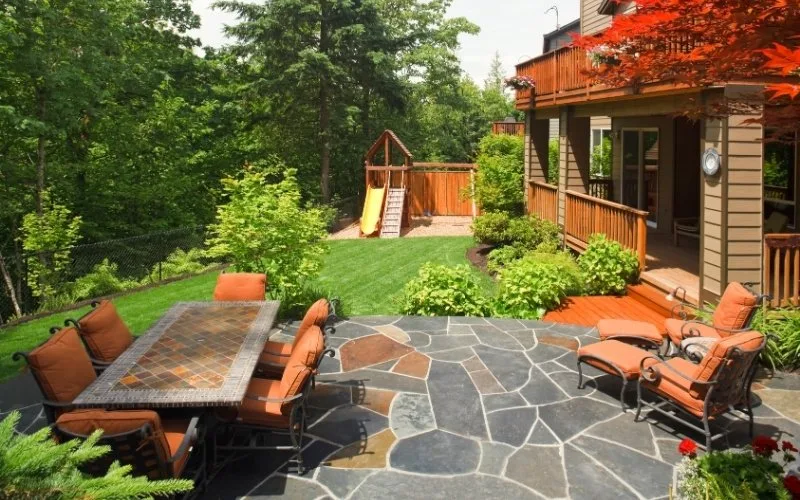
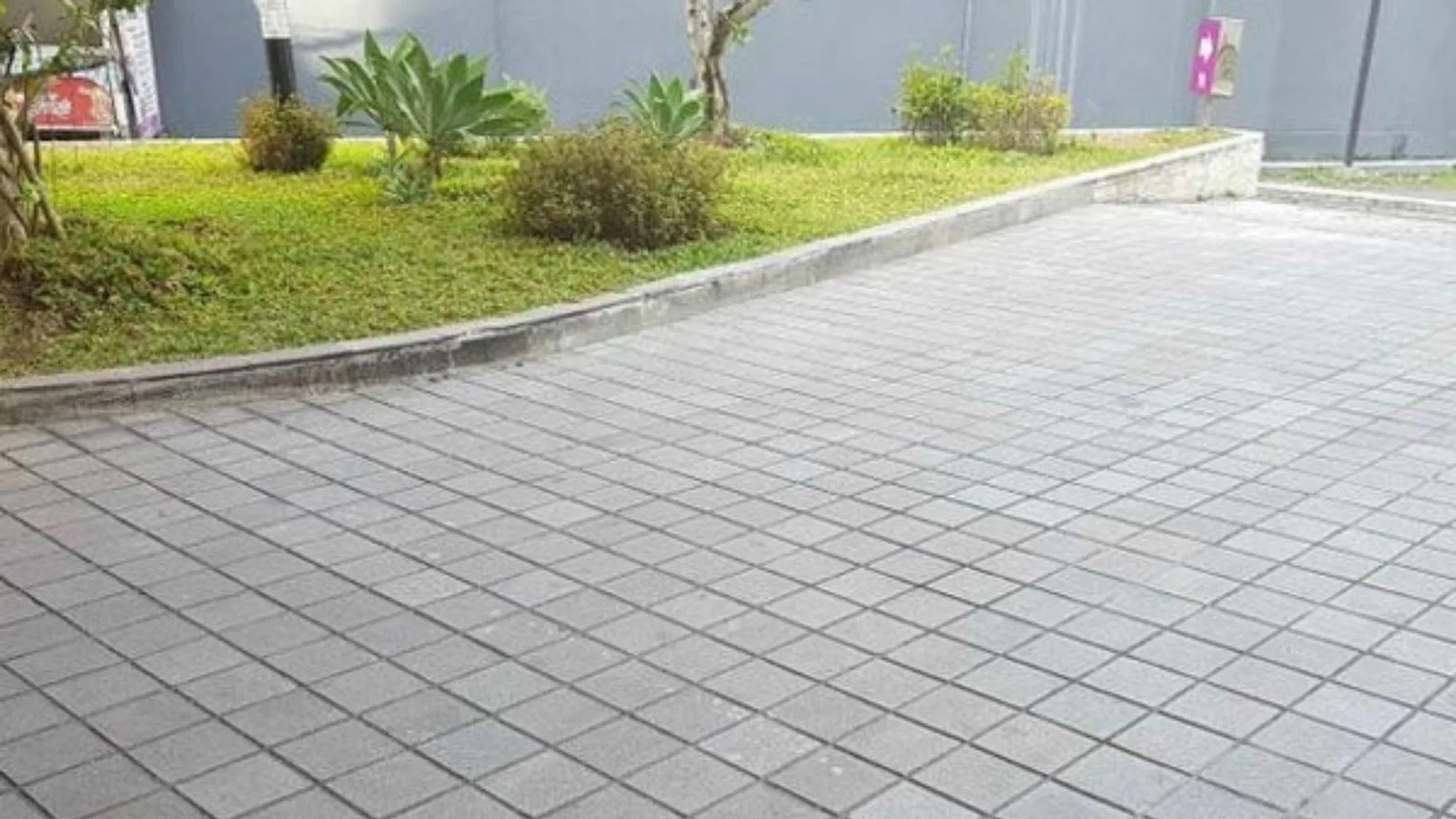
- Floors and paving: terraces, pool surrounds, walkways and entrances. Here the stone also has to cope with foot traffic and water. Surface grip matters as much as looks.
Stones commonly used for cladding
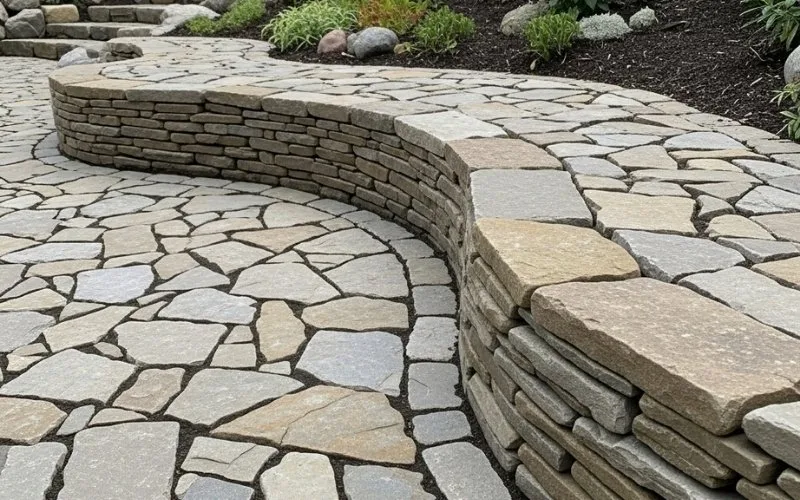
Each stone has a different character. The table summarizes general, qualitative differences. The actual behavior of a given product also depends on its quarry, thickness and finish.
| Stone | Type | Typical look | Points to keep in mind |
|---|---|---|---|
| Basalt | Volcanic (igneous) | Dark gray to black, fine-grained, uniform | Dense and hard-wearing; dark surfaces heat up in strong sun |
| Andesite | Volcanic (igneous) | Gray tones, often slightly porous texture | Widely used for paving and steps; porosity varies by source |
| Granite | Igneous, formed underground | Speckled, many colors, can be polished | Very hard; a polished finish is slippery when wet |
| Slate | Metamorphic | Layered, split surface, dark or multicoloured | Splits into thin pieces, suited to wall cladding and stone veneers |
| Travertine | Sedimentary (a form of limestone) | Warm beige and cream tones, natural pores | Sensitive to acids; pores are often filled for interior floors |
For minimalist and industrial designs, the dark, even surface of basalt natural stone gives a strong contrast with light render or exposed concrete. For terraces, garden paths and pool surrounds in contemporary gardens, grey andesite paving slabs are a common choice. Their textured surface gives grip. Small pebbles, which belong to the same natural stone family, are useful for edging beds and softening the transition between paved and planted areas.
Decisions that shape the result
Texture and color
The stone should sit comfortably with the rest of the material palette: timber, metal, glass, render. Contrasting light and dark stones can pick out an entrance or a building edge. A single stone in one tone keeps a facade calm. Natural stone varies from piece to piece, so ask to see several pieces, not one sample.
Laying pattern
Horizontal courses make a wall look longer and lower, vertical strips make it look taller, and random or staggered patterns look more rustic. Joint width and joint color change the overall effect as much as the stone itself.
Surface finish
Finishes such as polished, honed, flamed, sandblasted or split-face change both appearance and grip. Polished stone suits interior walls. Textured finishes are the safer choice for outdoor floors and wet areas.
Climate and exposure
Outdoor cladding has to cope with rain, sun and, in colder regions, freezing and thawing. Stones that absorb more water are more exposed to frost damage. Ask the supplier for the water absorption of each specific product. Dark stone in direct sun also gets hot, which matters for pool surrounds and barefoot areas.
Fixing method and substrate
Thin stone is usually bonded with a suitable adhesive on a sound, prepared surface, while heavier panels on facades are often held by mechanical anchors. The right method depends on stone weight, wall build-up and local building rules. The project architect or engineer should specify it.
Strengths and limitations
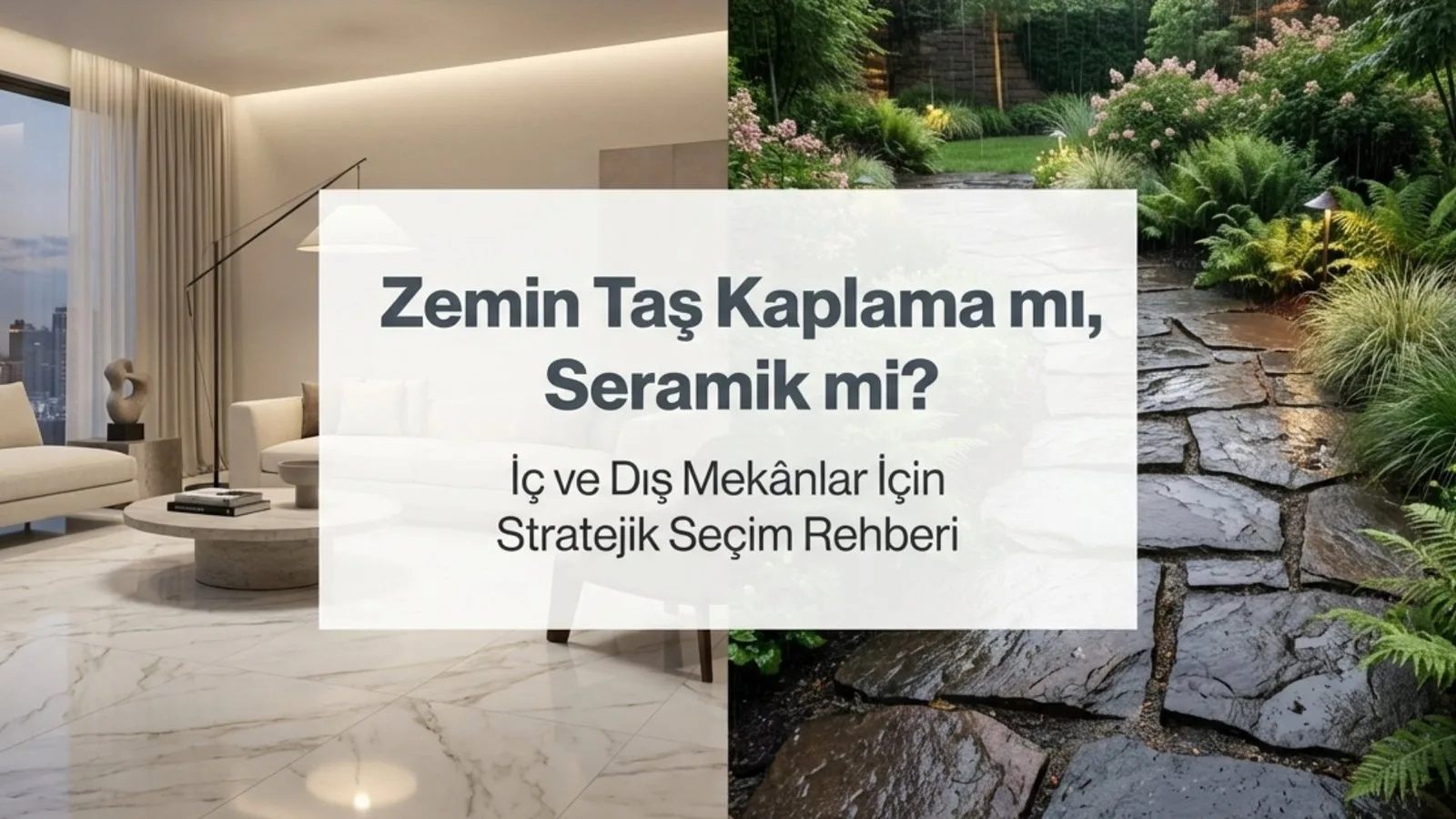
Natural stone lasts a long time, and it fits both modern and rustic designs. Every piece is slightly different. On the other hand, it is heavy, needs a proper substrate and skilled installation, and some stones need sealing or careful cleaning products. Our guide to natural stone cleaning and maintenance covers upkeep. If you are still deciding on a floor material, see stone flooring or ceramic tile.
Jidar Group supplies and installs natural stone. For a cladding or paving project, send us the surface area and where the stone will be used (facade, interior wall or floor). Include the stone type you have in mind and the project location, and we will reply with the options that fit.


0 comments
Leave a comment
Your comment will be published after review.