
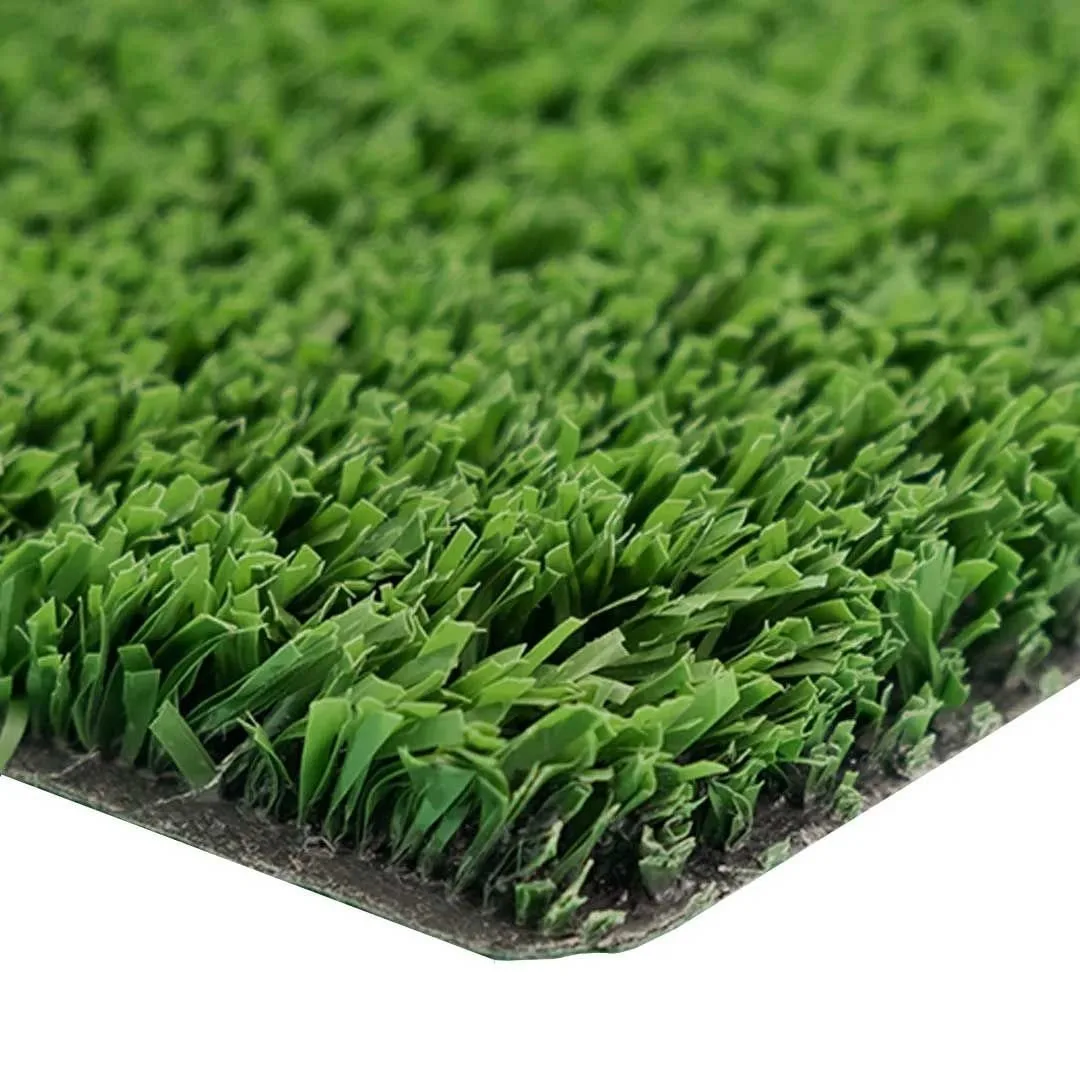
Multi-purpose court construction in brief
A multi-purpose court is a single area where several sports, such as futsal, basketball, volleyball and handball, are played. When we build one, we choose the surface for the sports that will be played, mark each sport's lines in a separate color, and install the perimeter fencing and lighting. For school and municipal courts, Multisport Artificial Grass is a common choice.
- Who it is for
- Schools, municipalities, residential complexesseveral sports on one site
- Surface
- Artificial grass or coatingacrylic or polyurethane
- Lines
- A separate color for each sportred, white, blue, yellow
- Perimeter
- Panel fence and gateto keep the ball in
The sports played decide the size
On a multi-purpose court, the shared area is planned large enough to hold the lines of every sport that will be played. Basketball and volleyball lines usually sit inside the futsal or handball court. The dimensions below are the playing areas set out in federation rules.
| Sport | Playing area (source) |
|---|---|
| Futsal | 38–42 m × 20–25 m for international matches (Futsal Laws of the Game, Law 1) |
| Handball | 40 m × 20 m (IHF Rules of the Game) |
| Basketball | 28 m × 15 m (FIBA Official Basketball Rules) |
| Volleyball | 18 m × 9 m, with a free zone of at least 3 m around it (FIVB Official Volleyball Rules) |
| Tennis | 23.77 m × 10.97 m, doubles (ITF Rules of Tennis) |
Choosing the surface
Artificial grass
Preferred where futsal is the main sport. Multisport uses colored grass to separate playing areas and lines; Dogu is used on a range of sports areas.
Acrylic or polyurethane coating
Applied over a concrete or asphalt base where basketball and volleyball are the main sports.
Line colors
Each sport's lines are marked in a separate color, so players can easily tell their own lines from the others.
Perimeter fence
To keep the ball from leaving the court, it is enclosed with a fence such as the 2D Panel Fence System.
How is a multi-purpose court built? Step by step
List of sports and dimensions
The sports to be played are decided, and the shared area is sized to hold the lines of those sports.
Groundwork
The ground is prepared; on outdoor courts a fall is built in for drainage.
Surface
Artificial grass is laid, or an acrylic or polyurethane coating is applied.
Lines and equipment
Each sport's lines are marked in a separate color; goals, basketball hoops and net posts are installed.
Fence and lighting
The perimeter fence and its gate are installed and the lighting is connected.
What to prepare when requesting a quote
- A list of the sports to be played on the court
- Width and length of the site (in meters)
- Existing ground: soil, asphalt or concrete
- The organization that will use the court (school, municipality, residential complex)
- Whether you need perimeter fencing and lighting
Products we use on multi-purpose courts
- Multisport Artificial GrassColored artificial grass for school and municipal courts
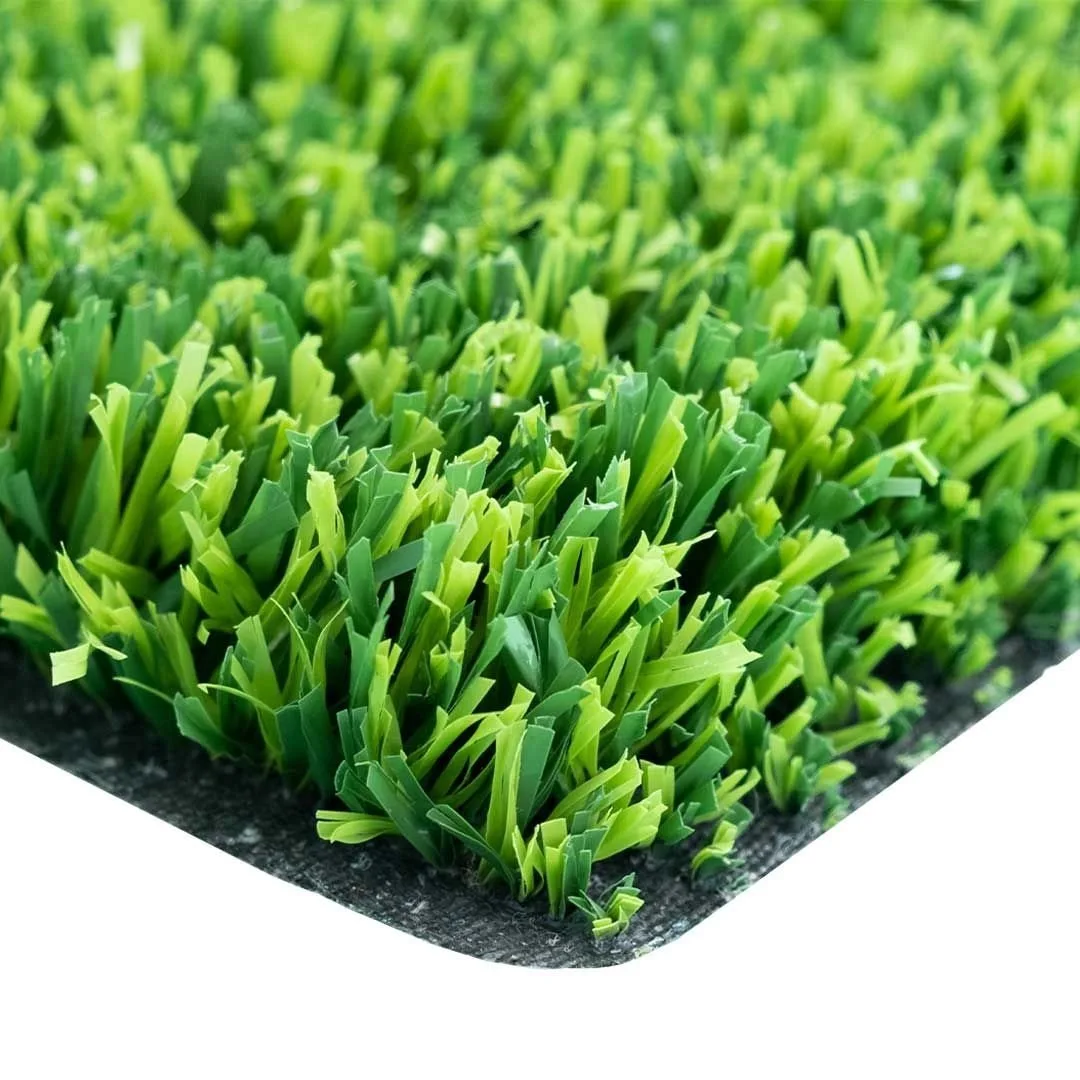 Dogu Artificial GrassFibrillated grass used on a range of sports areas
 2D Panel Fence SystemFlat panel fence for schools and around sports areas
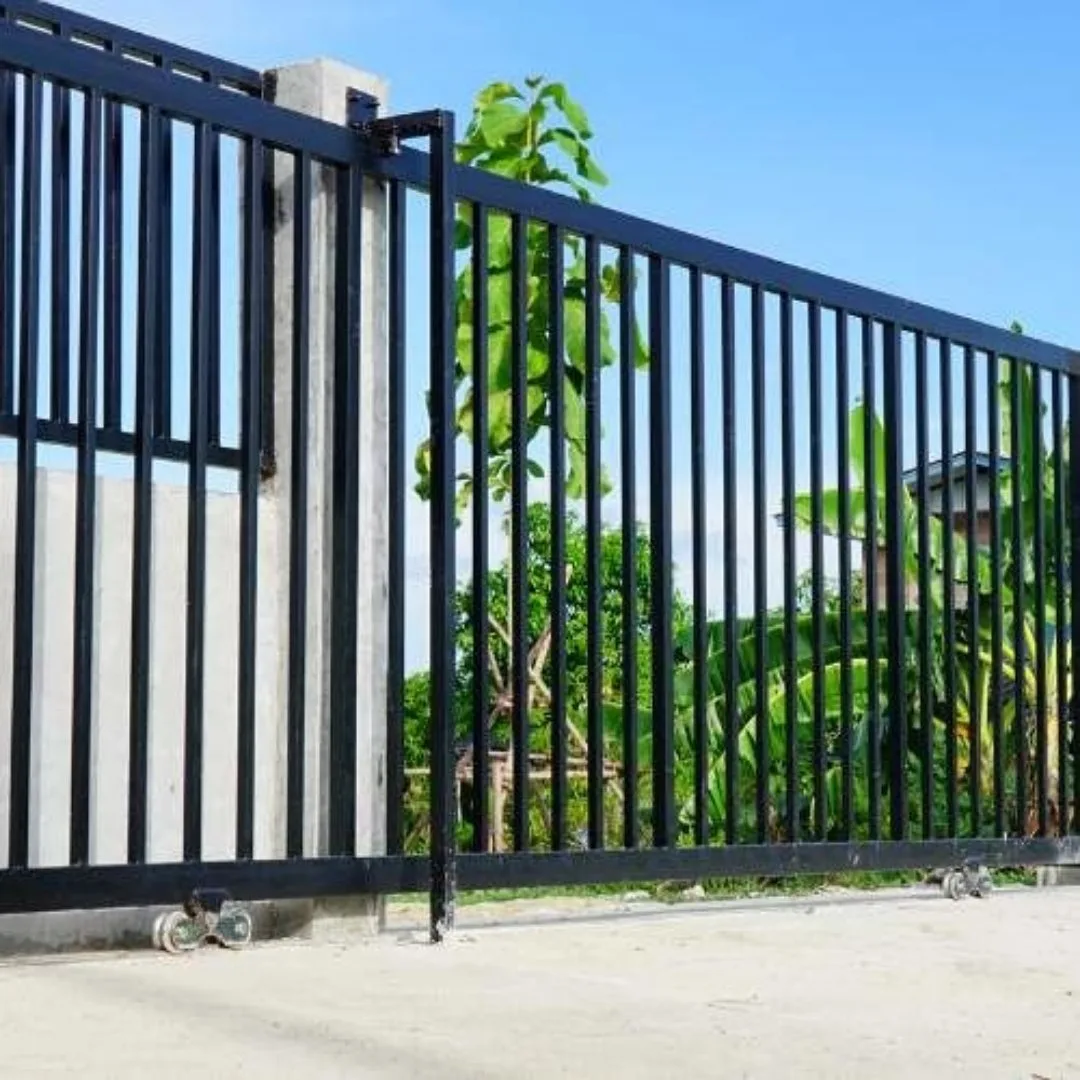 Panel Fence GatePedestrian and vehicle gates for the fence line
 Basketball Court TentA tent that turns an outdoor court into an indoor space
Related services
Planning a court for your school or neighborhood?
Tell us the sports to be played and the site dimensions, and we will work out the shared area, surface and line layout with you.
Frequently asked questions
What is a multi-purpose sports court?
How are the dimensions of a multi-purpose court decided?
What surface is used on a multi-purpose court?
Don't the lines get confusing?
Can a multi-purpose court be built in a schoolyard?
Sources
- The FA — Futsal Laws of the Game, Law 1: The Pitch
- IHF — Rules of the Game
- FIBA — Official Basketball Rules
- ITF — Rules of Tennis
- FIVB — Official Volleyball Rules (playing court 18 × 9 m, free zone at least 3 m)