
Summarize this article with AI Open a summary of this article in your preferred assistant
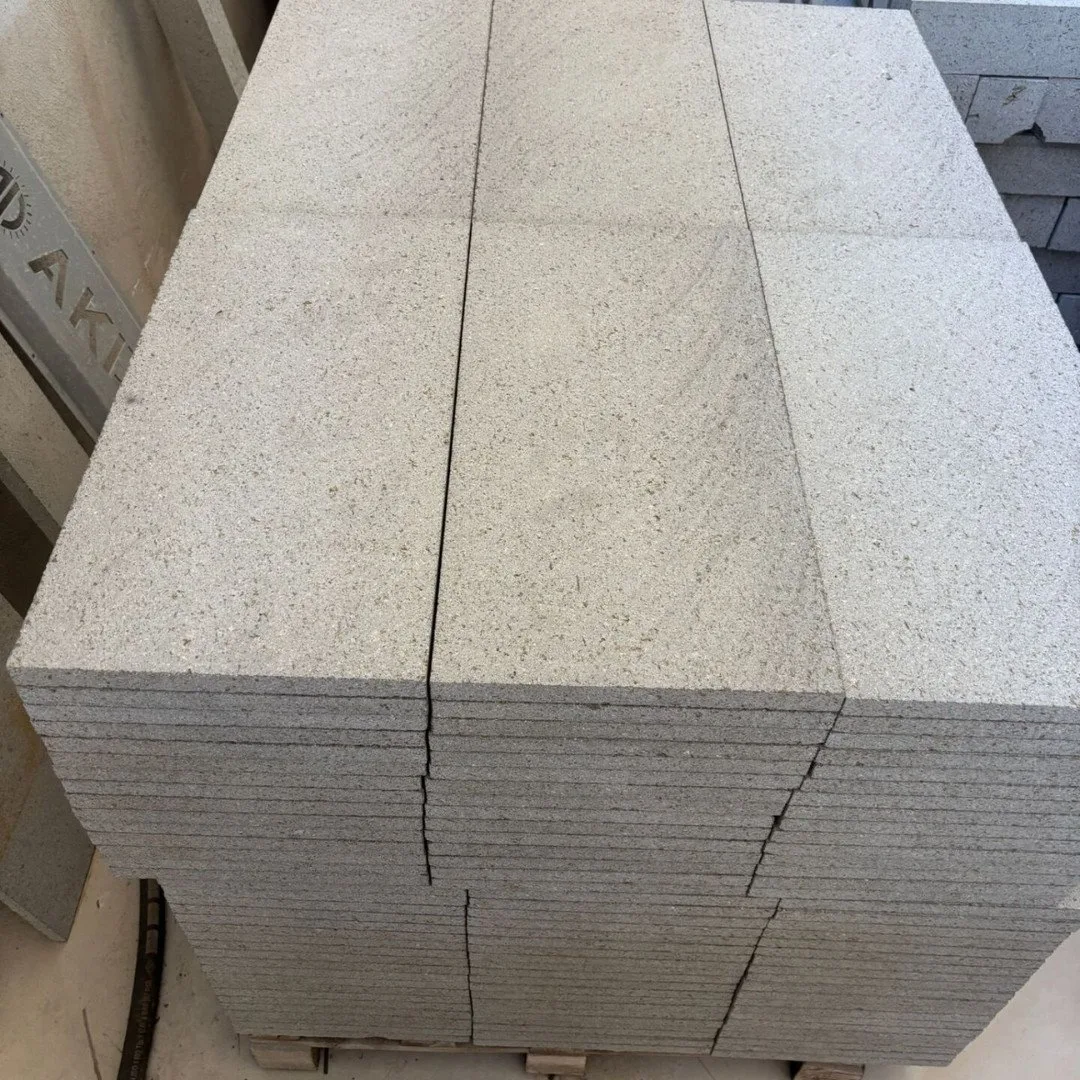
Stone flooring (andesite, basalt, slate, travertine, interlocking pavers) resists impact and frost, and its natural texture gives slip resistance. Outdoors, it is the better pick. Ceramic tile wipes clean, does not stain and comes in many patterns. It suits indoors, and outdoors you need a frost-resistant, non-slip product. Ceramic may cost less at first, but outdoors stone needs less renewal.
The floor covering you choose decides how the area looks and what it costs you over the years. For gardens, terraces, walkways, courtyards and open areas, the usual question is:
Is stone flooring or ceramic tile the better choice?
This guide compares the two on:
performance by application
differences in durability and maintenance
cost versus service life
slip resistance and climate
appearance and architectural fit
Each point is set out side by side.
What Is Stone Flooring?
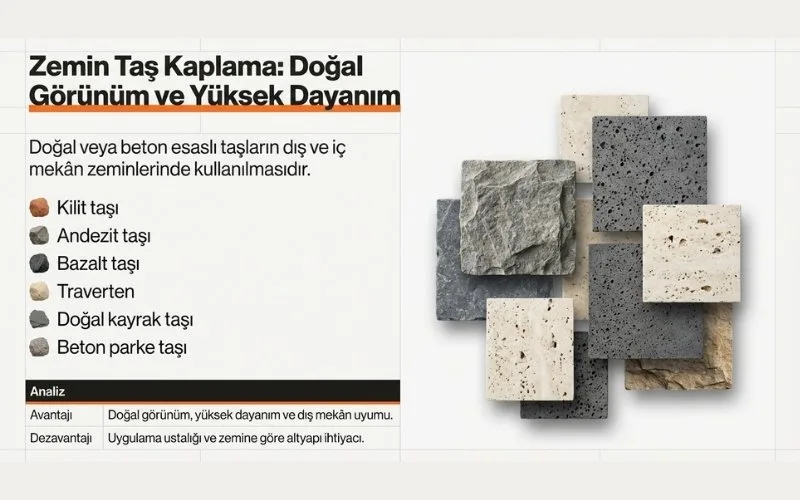
Stone flooring is the use of natural or concrete-based stones on outdoor and indoor floors.
Common Types of Floor Stone
Interlocking pavers
Andesite stone
Travertine
Concrete pavers
Advantage: Natural look, high strength and suitability for outdoor use
Disadvantage: Requires skilled installation and a base suited to the ground
What Is Ceramic Floor Tile?
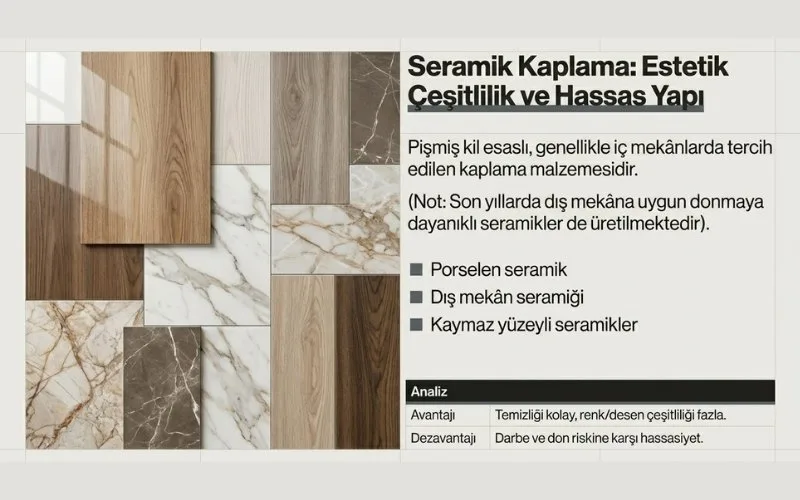
Ceramic is a fired-clay covering material usually chosen for indoor spaces. There are also frost-resistant ceramics made for outdoor use.
Types of Ceramic
Porcelain tile
Outdoor ceramic tile
Non-slip ceramic tiles
Advantage: Easy to clean, wide range of colors/patterns
Disadvantage: Sensitive to impact and frost
Stone Flooring or Ceramic Tile? (Detailed Comparison)
Here is how the two compare, point by point.
Durability and Service Life
| Criterion | Stone Flooring | Ceramic Tile |
|---|---|---|
| Impact resistance | High | Medium |
| Frost – temperature swings | Resistant (depending on stone type) | Depends on product class |
| Outdoor service life | Long with a proper base | Long for frost-resistant products |
Result: Stone flooring does better in open areas and under heavy use.
Slip Resistance and Safety
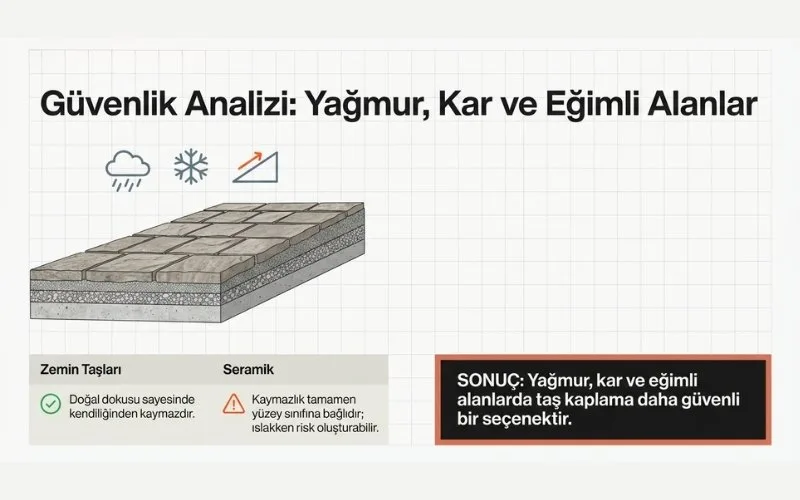
Floor stones are non-slip because of their natural texture.
With ceramic, slip resistance depends on the surface class.
In rain, snow and on sloped areas, stone flooring is safer.
Maintenance and Cleaning
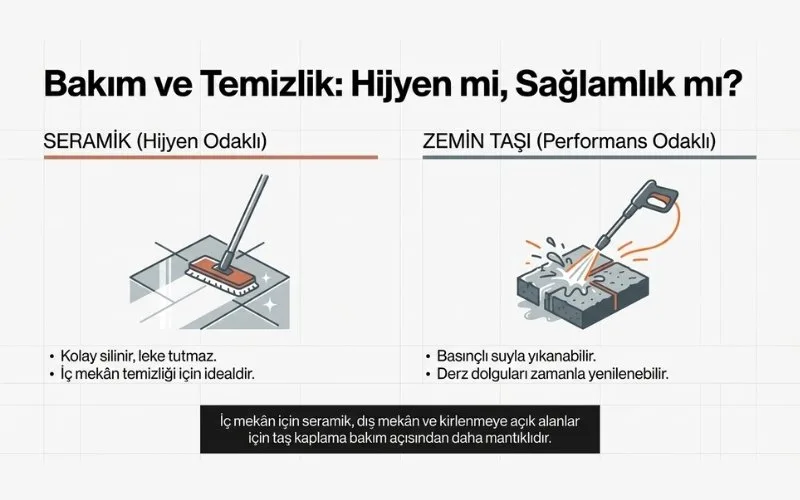
Ceramic:
Easy to wipe
Does not stain
Floor Stone:
Cleaned with pressure washing
Joint filling can be renewed over time
Ceramic makes more sense indoors, stone outdoors.
Appearance and Natural Look
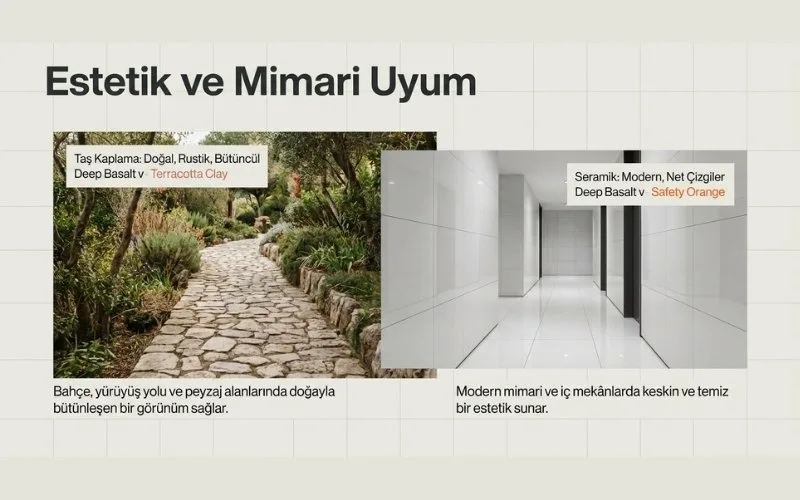
Stone flooring → natural, rustic, architectural harmony
Ceramic → modern, clean lines
In gardens, walkways, plot perimeters and landscaped areas, natural stone usually blends better with its surroundings.
Cost Comparison
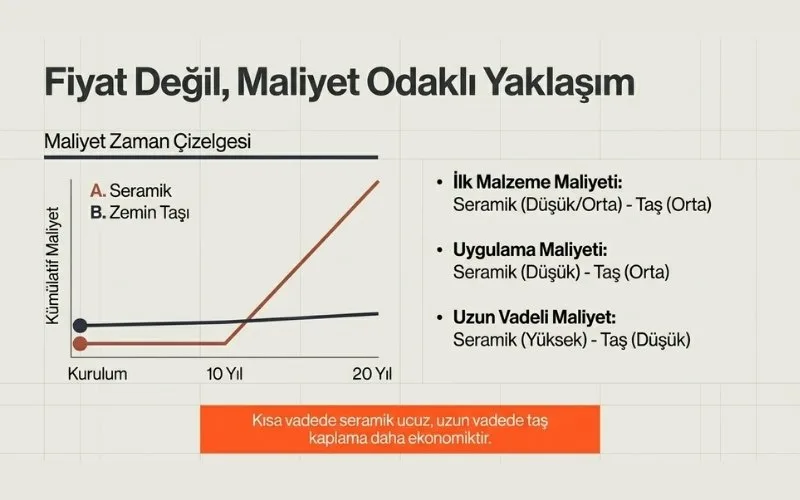
| Item | Floor Stone | Ceramic Tile |
|---|---|---|
| Initial material cost | Medium | Low – Medium |
| Installation cost | Medium | Low |
| Long-term cost | Low | Medium – High |
Which One Suits Which Area?
In the short term, ceramic is cheaper,
in the long term, stone flooring is more economical.
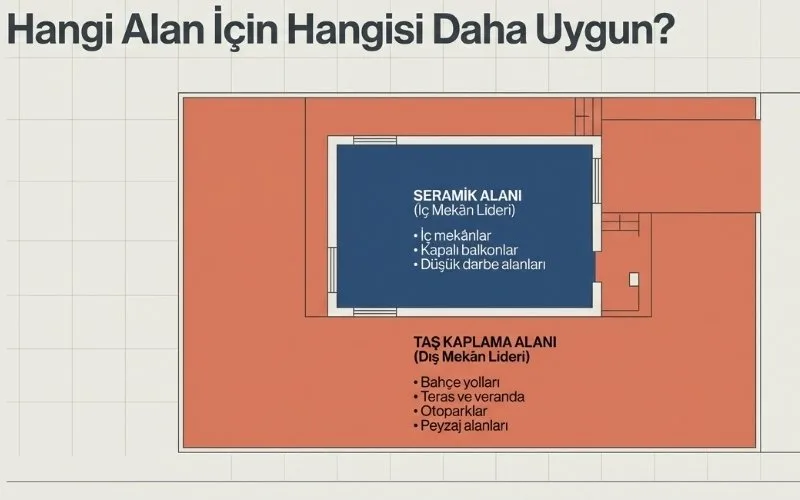
Recommended Areas for Stone Flooring
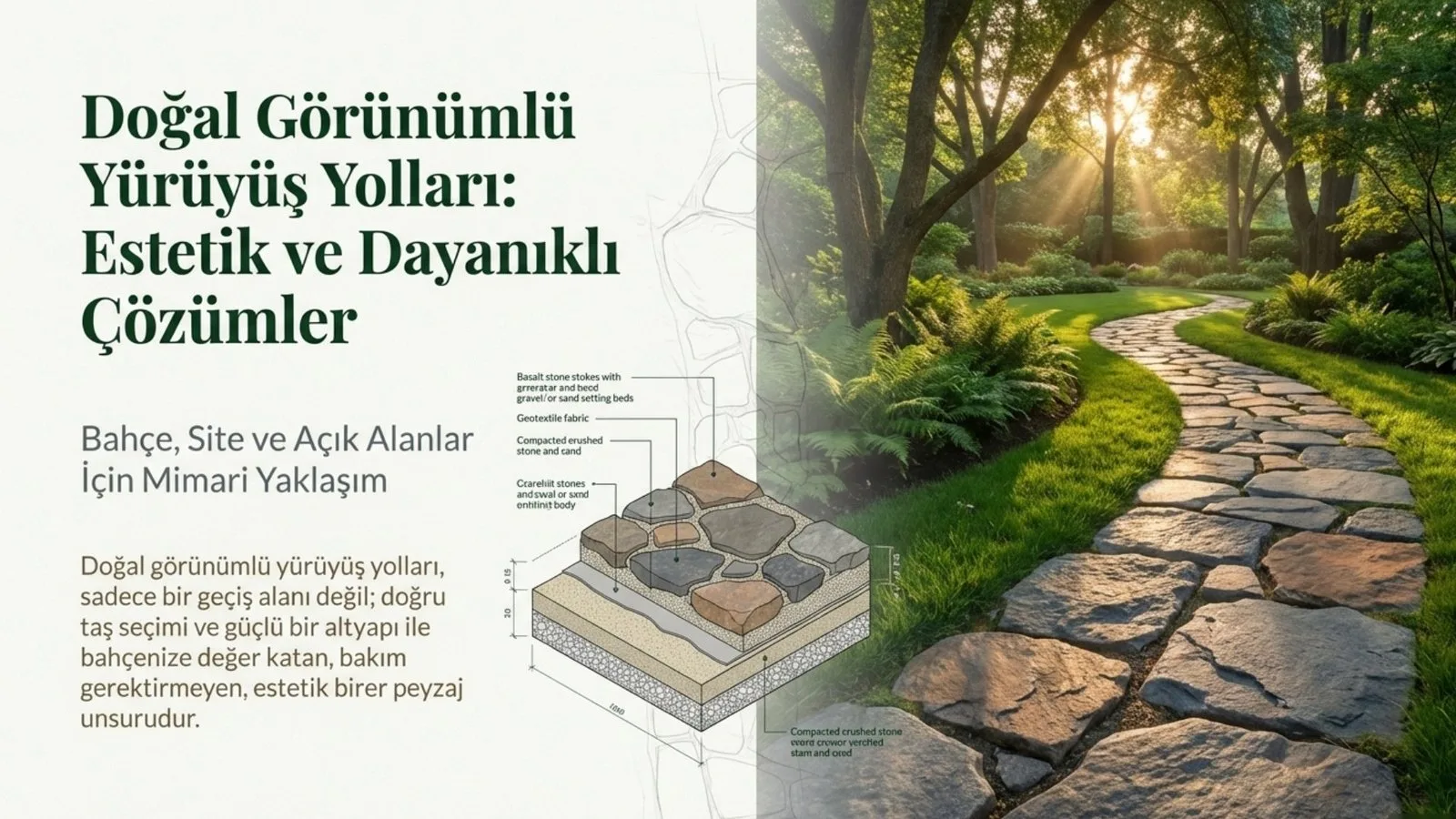
Garden paths
Terraces and verandas
Paths on plots and within residential complexes
Parking areas
Landscaped areas
Recommended Areas for Ceramic Tile
Indoor spaces
Enclosed balconies
Low-impact areas
Price is not the only criterion
Look at foot traffic, climate and maintenance cost together, not just the purchase price. In open areas, stone flooring usually keeps its safety, durability and looks for longer.
Stone flooring or ceramic tile at a glance
Outdoors → Stone flooring
Indoors → Ceramic tile
Long service life & natural look → Stone
Easy cleaning & modern design → Ceramic tile
Jidar Group for outdoor stone
We supply basalt, slate and pebble stones for gardens and landscaping and ship them across Türkiye. For flooring, see slate and basalt. The natural stone page lists the stone types. Send us the stone type, quantity and delivery location through the contact page and we will prepare a quote.


0 comments
Leave a comment
Your comment will be published after review.