
Summarize this article with AI Open a summary of this article in your preferred assistant
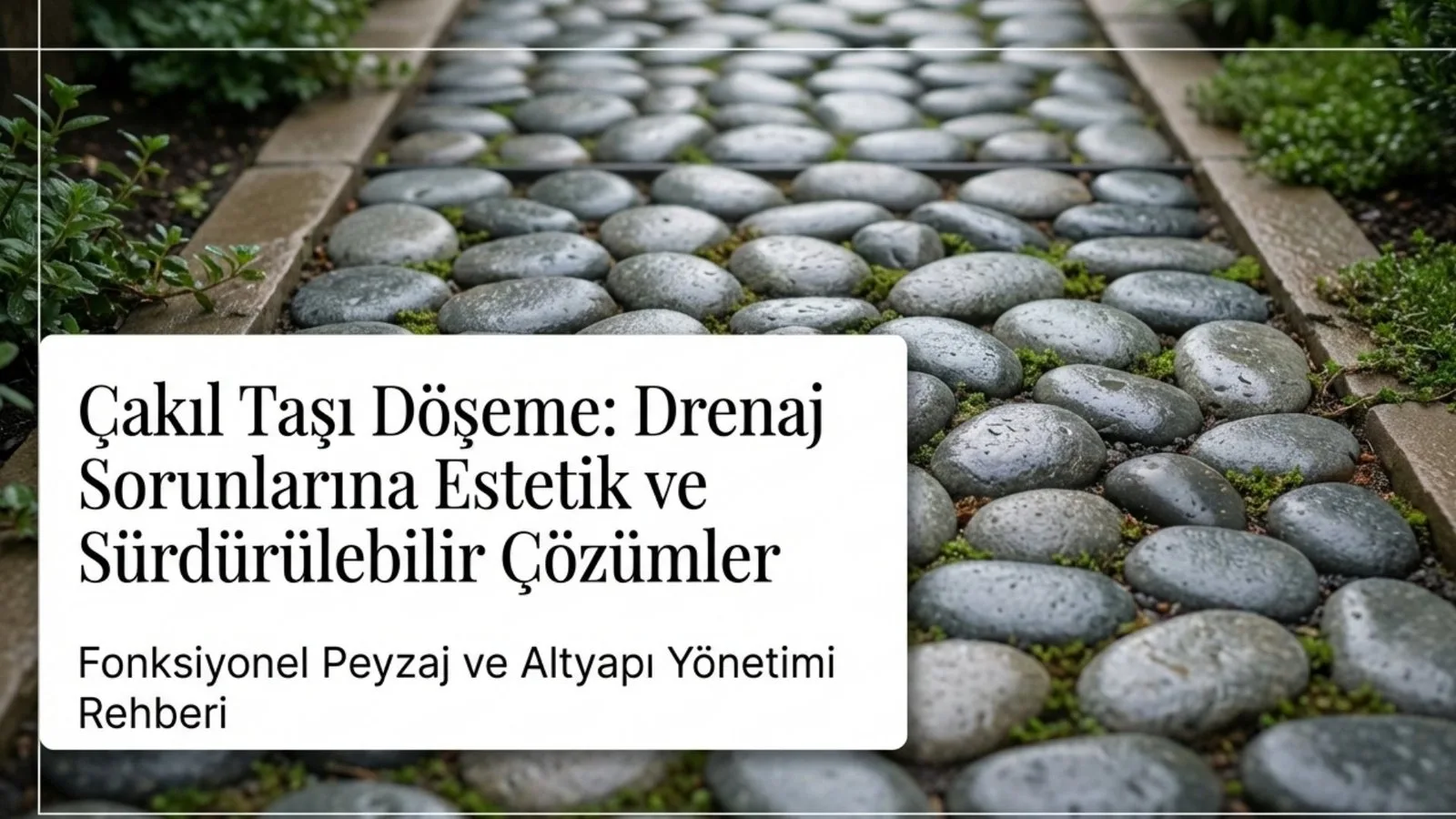
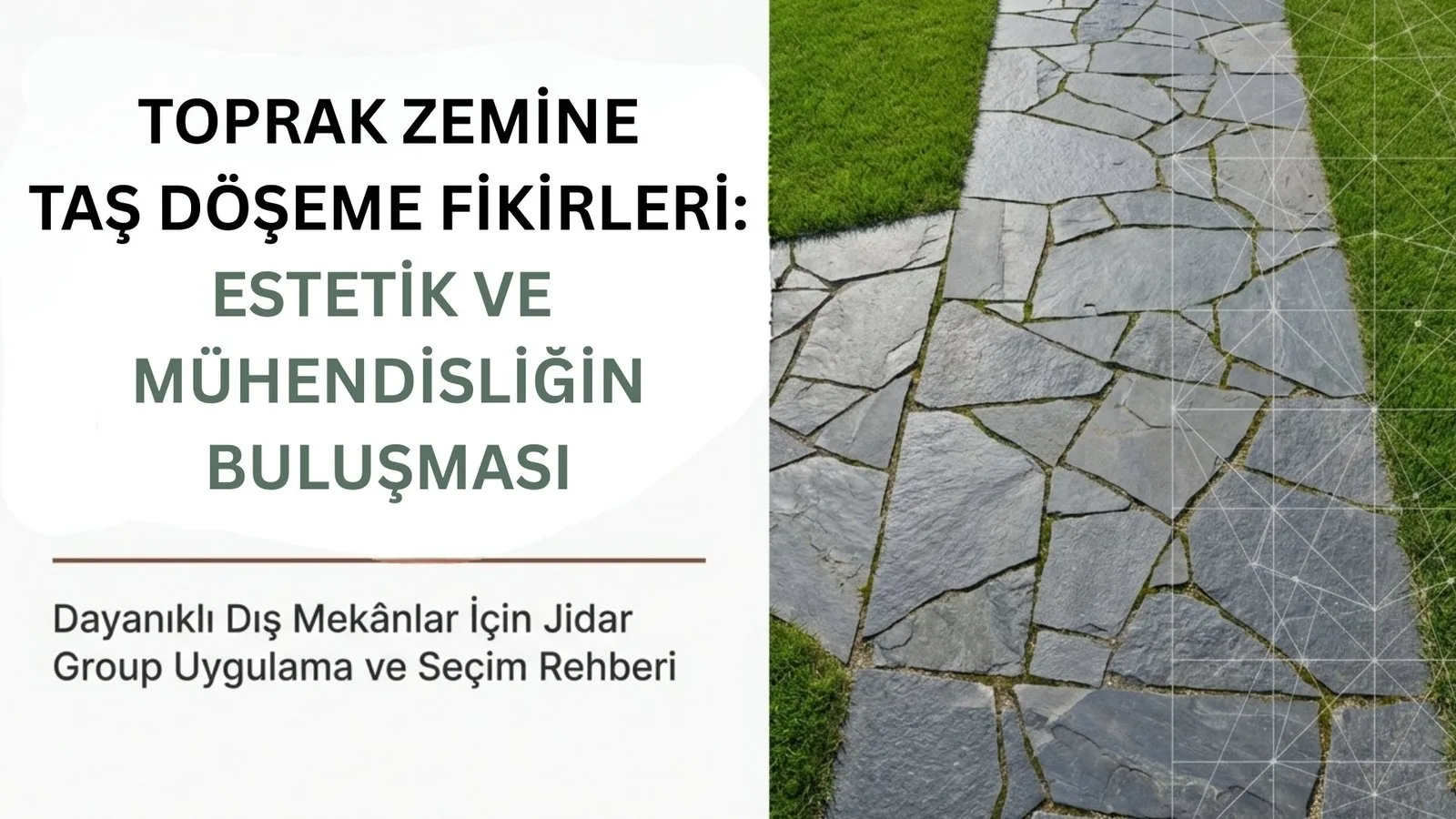
The gaps between pebble stones let rainwater seep into the ground. Laid on a proper base, pebble stone reduces standing water and mud in gardens and open areas. The installation order is: excavation, geotextile felt, crushed stone or stabilized base, leveling sand, then pebble stone. Under heavy vehicle traffic, the gravel is supported with load-bearing plates or a grid system.
Pebble stone paving carries rainwater down to the lower layers through the gaps between the stones. Laid over geotextile felt, crushed stone and leveling sand, it reduces standing water and mud on the surface. Gardens, plots and walkways use it for both drainage and appearance.
Below you will find:
the drainage advantages of pebble stone
where it works best
the correct installation layers
tips for a long service life
Each point is explained in plain technical terms.
What Is Pebble Stone Paving?
Pebble stone paving is a permeable surfacing method created by spreading natural stones of different sizes and colors over a defined base system.
Commonly Used Types of Pebble Stone
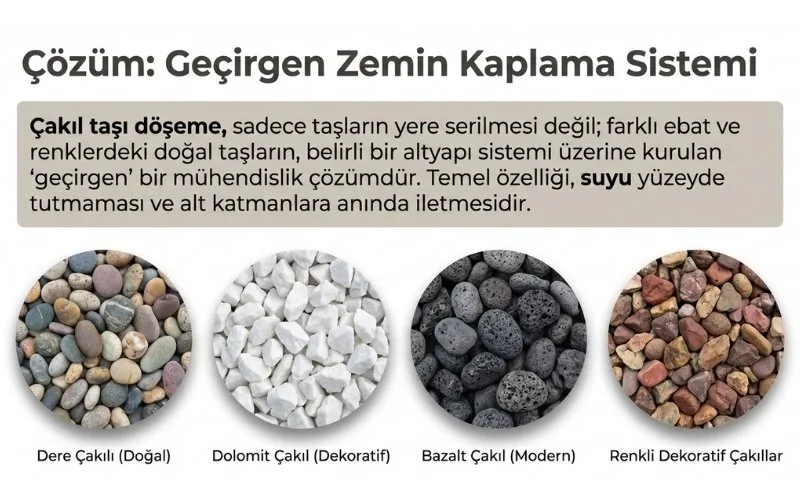
River pebbles
Dolomite gravel
Basalt gravel
Decorative colored pebbles
Key property:
It passes water down to the lower layers instead of holding it on the surface.
Why Do Drainage Problems Occur?
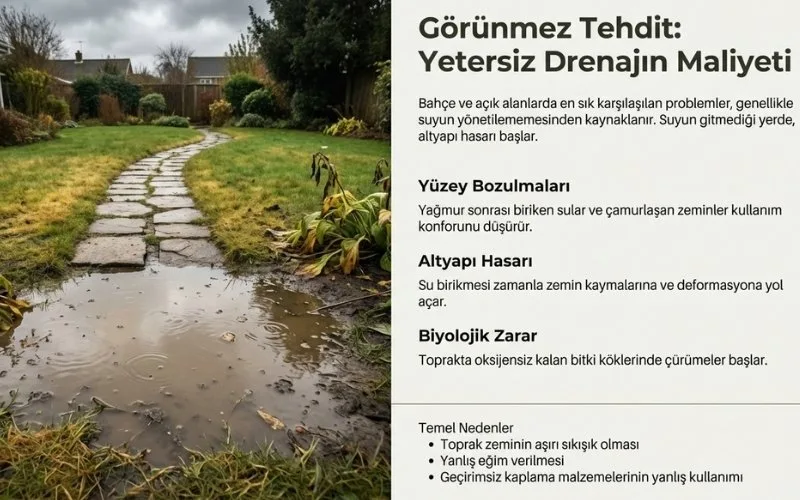
In natural stone paving, drainage problems usually arise for these reasons:
Compacted soil
Incorrect slope
Impermeable surface materials
Inadequate base layers
Left alone, they lead to:
Standing water
Mud
Ground slippage
Plant root rot
A permeable surface over a proper base addresses these causes.
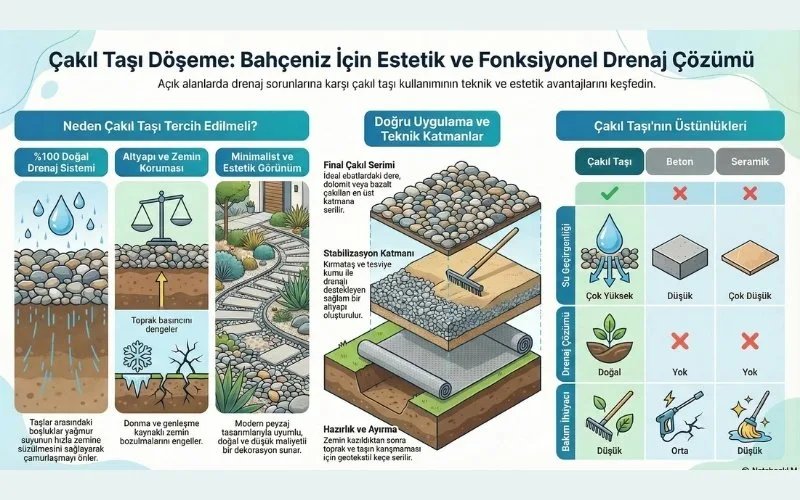
The Drainage Advantages of Pebble Stone Paving
These are the main advantages of pebble stone paving:
- High Water Permeability
- Base Protection
- Attractive Appearance
High Water Permeability
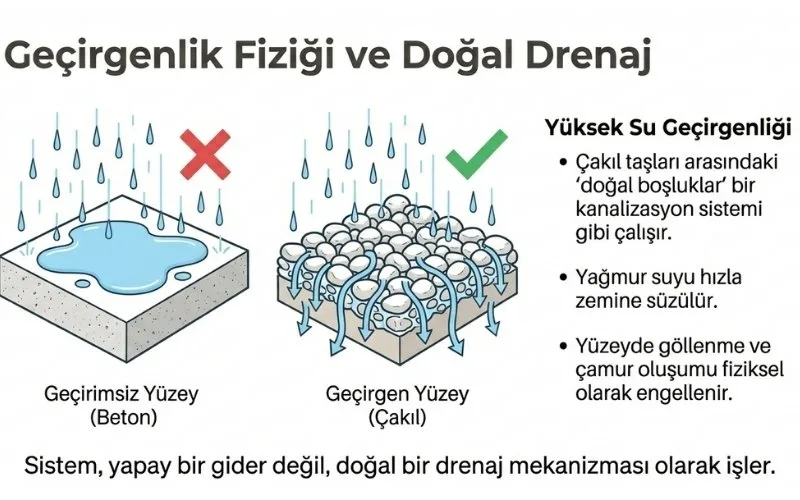
There are natural gaps between pebble stones. Because of these gaps:
Rainwater quickly seeps into the ground
Water does not collect on the surface
Mud does not form
It works like a natural drainage system.
It Protects the Base
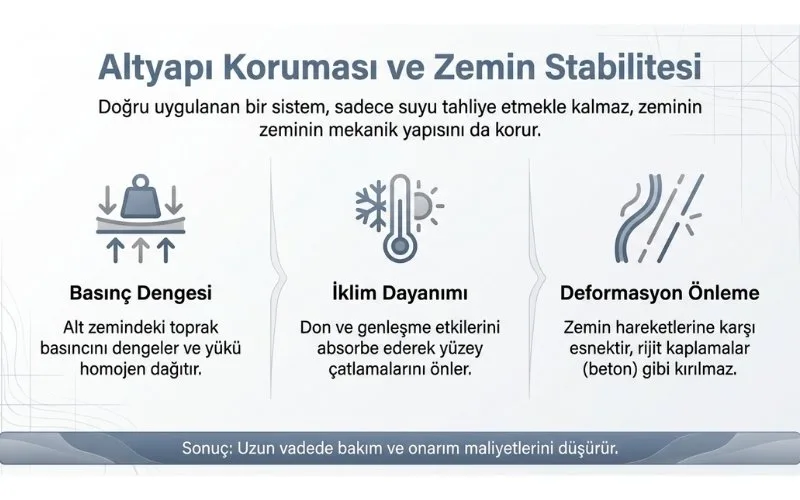
Properly installed pebble stone paving:
Balances soil pressure in the sub-base
Reduces the effects of frost and expansion
Prevents ground deformation
This lowers maintenance costs in the long run.
Attractive, Natural Appearance
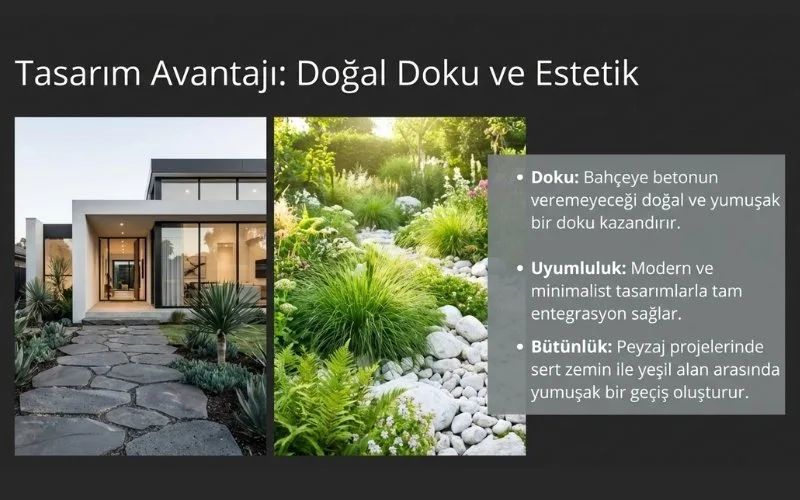
Beyond drainage, pebble stone paving also:
Gives the garden a natural texture
Suits modern and minimalist designs
Ties landscape projects together
It looks especially good on garden paths, between plants and in seating areas.
Where Should Pebble Stone Paving Be Used?
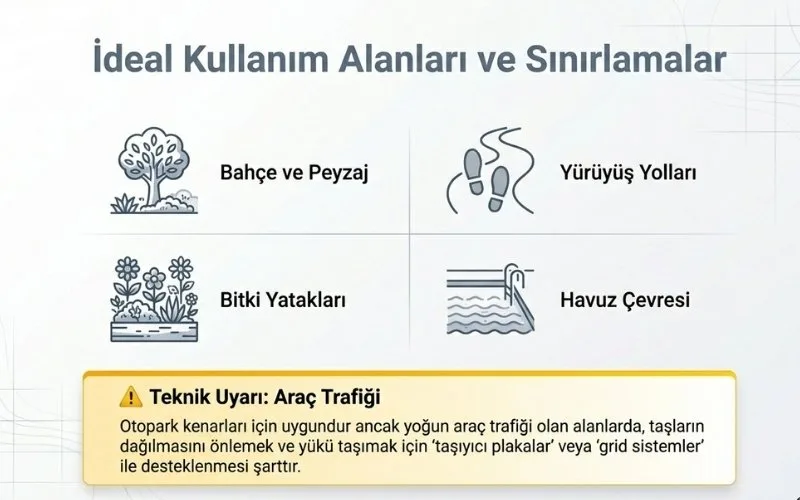
Ideal Applications
Gardens and landscaped areas
Walkways
Plot perimeters
Plant beds
Parking area edges
Drainage areas around pools
In areas with heavy vehicle traffic, it should be supported with load-bearing plates or grid systems.
How Is Pebble Stone Paving Done Correctly? (Technical Layers)
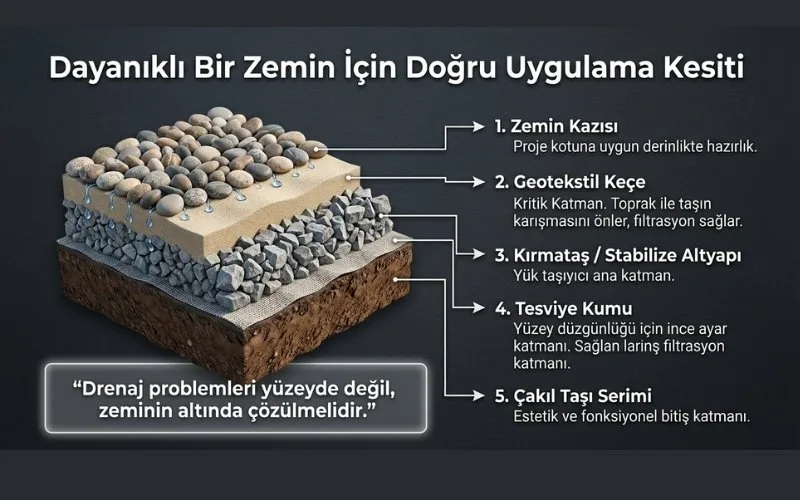
For drainage that keeps working, lay the layers in this order:
Excavation
Laying geotextile felt (separates soil from stone)
Crushed stone or stabilized base
Leveling sand
Spreading the pebble stone
These layers provide both drainage and ground stability.
Pebble Stone Paving or Other Floor Coverings?
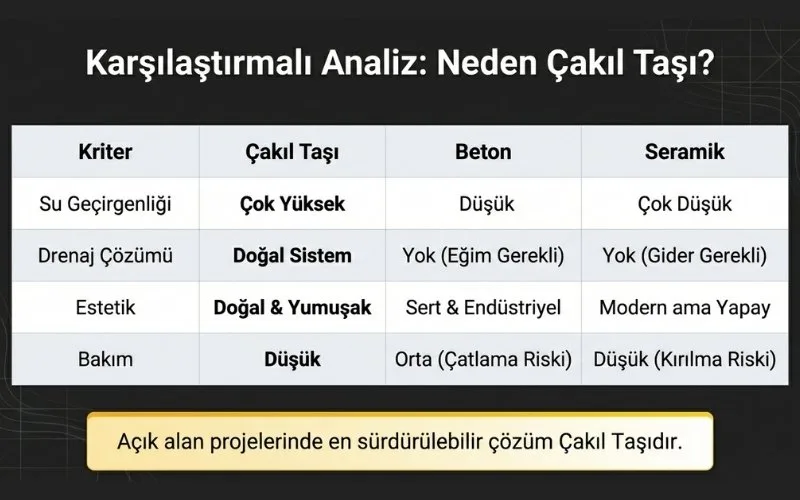
| Criterion | Pebble Stone | Concrete | Ceramic Tile |
|---|---|---|---|
| Water permeability | Very high | Low | Very low |
| Drainage | Natural | None | None |
| Appearance | Natural | Hard | Modern |
| Maintenance | Low | Medium | Low |
Result: In open areas with drainage problems, pebble stone is one of the most practical solutions.
A drainage problem is solved below the ground. Pebble stone lets water through to the lower layer, and when the base is built correctly, the ground stays even for a long time.
What pebble stone paving does for drainage and looks
Reduces standing water
Protects the ground from mud
Gives a natural, decorative look
Needs little maintenance
Jidar Group for pebble stone
We supply basalt, slate and pebble stones for gardens and landscaping and ship them across Türkiye. See the dolomite, round river pebbles, granite and colored pebble pages. The natural stone page lists the stone types. Send us the stone type, quantity and delivery location through the contact page and we will prepare a quote.

0 comments
Leave a comment
Your comment will be published after review.