
Summarize this article with AI Open a summary of this article in your preferred assistant
Yes. Artificial turf lets water through its perforated or fully permeable backing. It drains well only if the ground below carries the water away. That takes a free-draining stone base, a fall on hard surfaces or a drainage system.
Yes, artificial turf lets water through. Rain and hose water run down between the fibers and pass through the backing. The backing either has drainage holes punched across it or is fully permeable. Whether the lawn then stays dry depends on what is underneath. The turf only passes the water down. The base below has to carry it away.
How water moves through artificial turf
- Water runs between the synthetic fibers and through any sand or rubber infill.
- It passes through the backing, through holes or through the permeable material itself.
- It enters the sub-base, usually a layer of compacted crushed stone.
- From there it soaks into the soil below or is led away by drainage pipes or channels.
If any step is blocked, water collects under the turf. Clay soil that does not absorb water or a flat concrete slab with no outlet will do this. Standing water under the backing causes puddles, smells and, over time, moss and mold at the edges.
Do you need drainage under artificial grass?
In most cases, yes. What that drainage looks like depends on the ground:
| Ground | What usually works |
|---|---|
| Free-draining soil | Compacted crushed-stone sub-base; water soaks into the ground |
| Clay or heavily compacted soil | Deeper stone base, a slight fall, and often perforated pipes leading water to a drain |
| Concrete or paving | A fall towards a drain or the edge, drainage holes if needed, and often a drainage pad under the turf |
| Roof terraces and balconies | Keep existing drains open; never block the outlet with turf or adhesive |
| Sports pitches | An engineered drainage system with pipes or channels under the base layers |
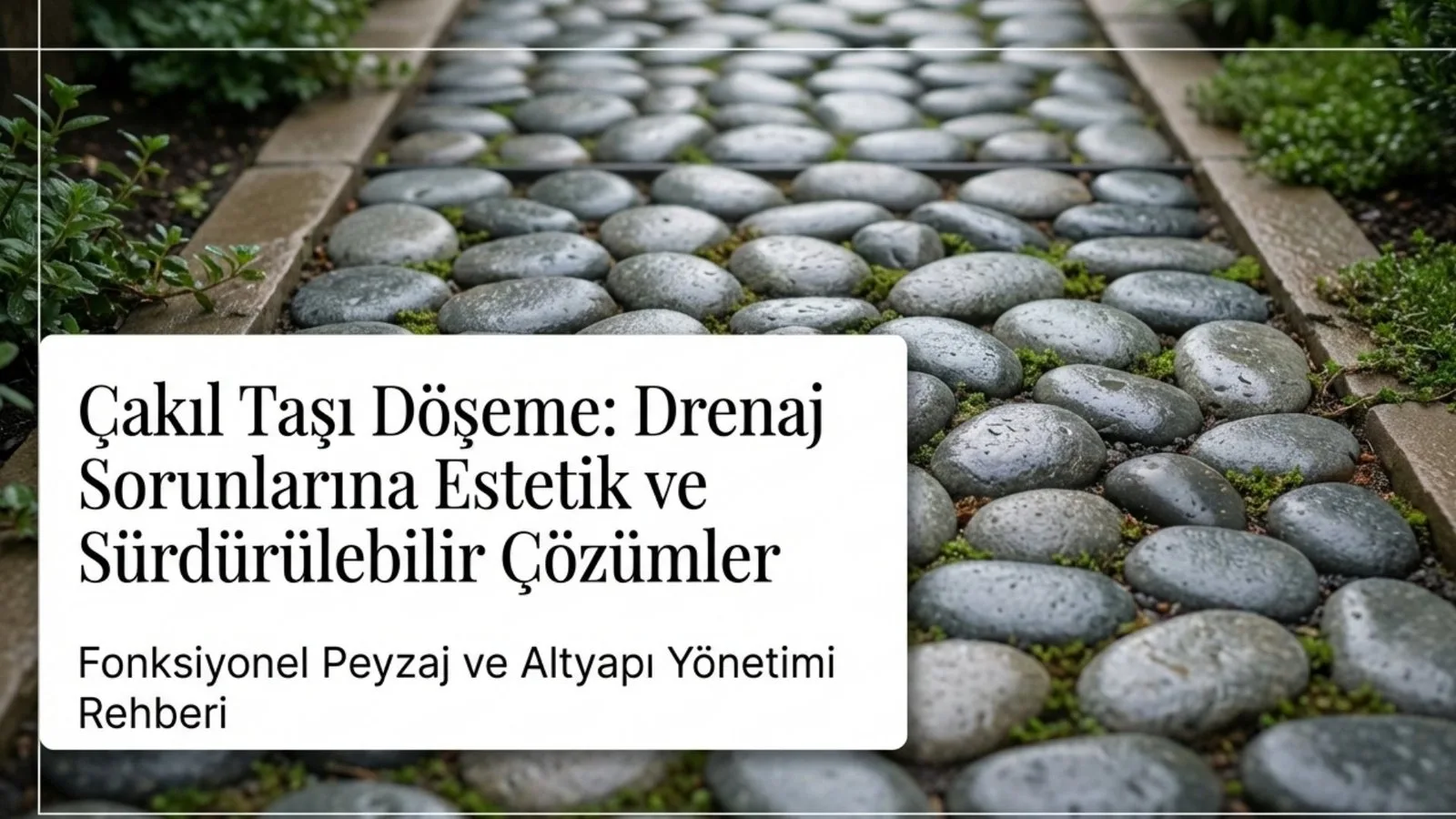
Our article on pebble stone paving for drainage problems shows another way to deal with wet areas around a lawn.
Does artificial turf drain better than natural grass?
When it is installed correctly, it often does. Natural lawns tend to drain poorly because of:
- a thick layer of thatch on the surface,
- compacted or clay-heavy soil,
- roots blocking existing drains.
Laying artificial turf means removing the top layer and building a new, free-draining base, which removes most of these causes. But if the turf goes straight onto poorly draining soil, without a stone base, it will drain no better than the lawn it replaced.
What happens when you hose it down?
Cleaning water follows the same path as rain: through the fibers and infill, through the backing, into the base and away. That is why regular rinsing works well for removing dust and pet urine, as long as the base drains. For pet areas, a fully permeable backing is the better choice. Our guide to choosing artificial grass covers other product features to compare.
Getting the drainage right
Jidar Group supplies and installs artificial grass with its own team, including base preparation. Unsure how your ground will drain? Send us the area size and the ground type (soil, clay, concrete or roof). Tell us whether water collects there now, and your location or country.



0 comments
Leave a comment
Your comment will be published after review.