Hangar Tents

Be the first to rate

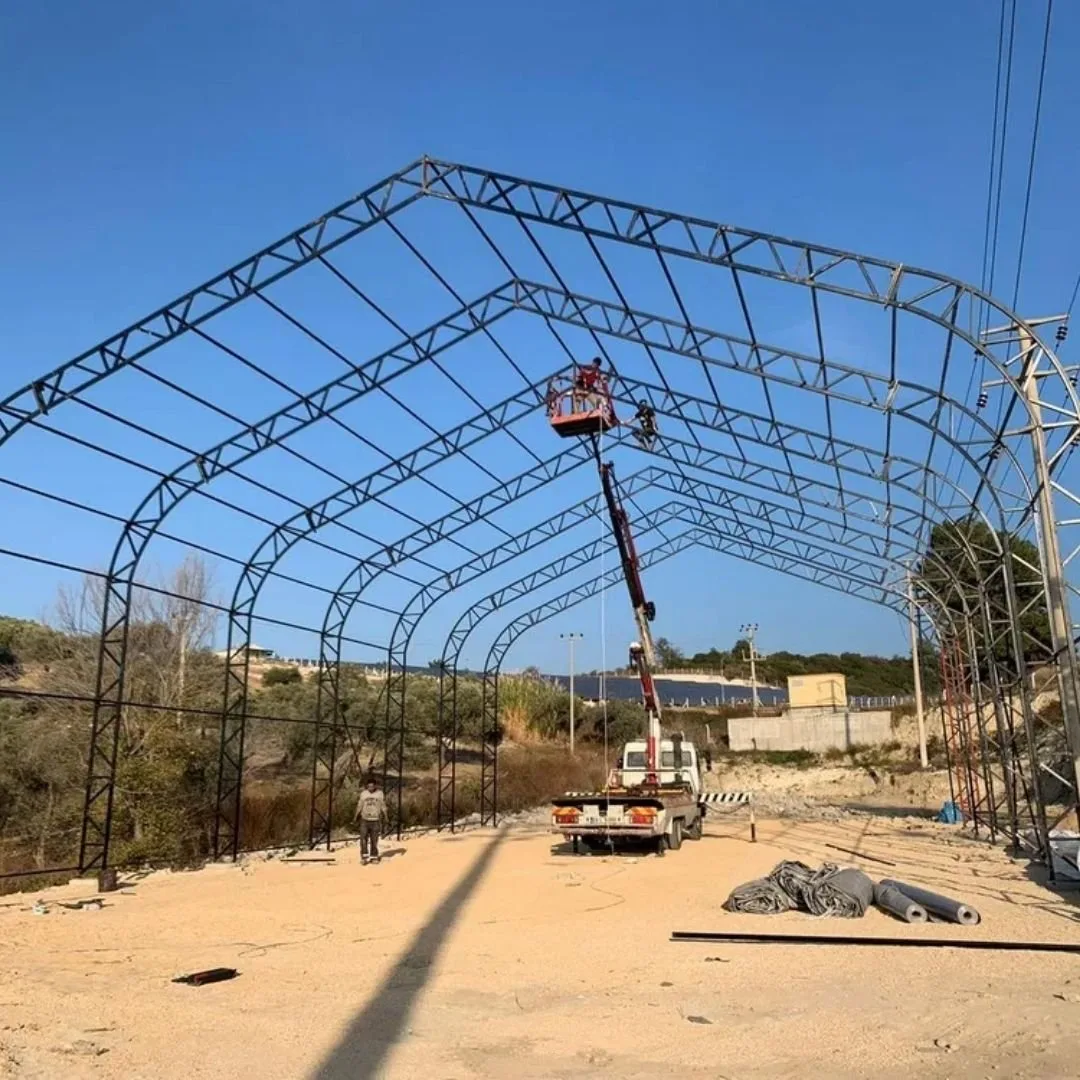
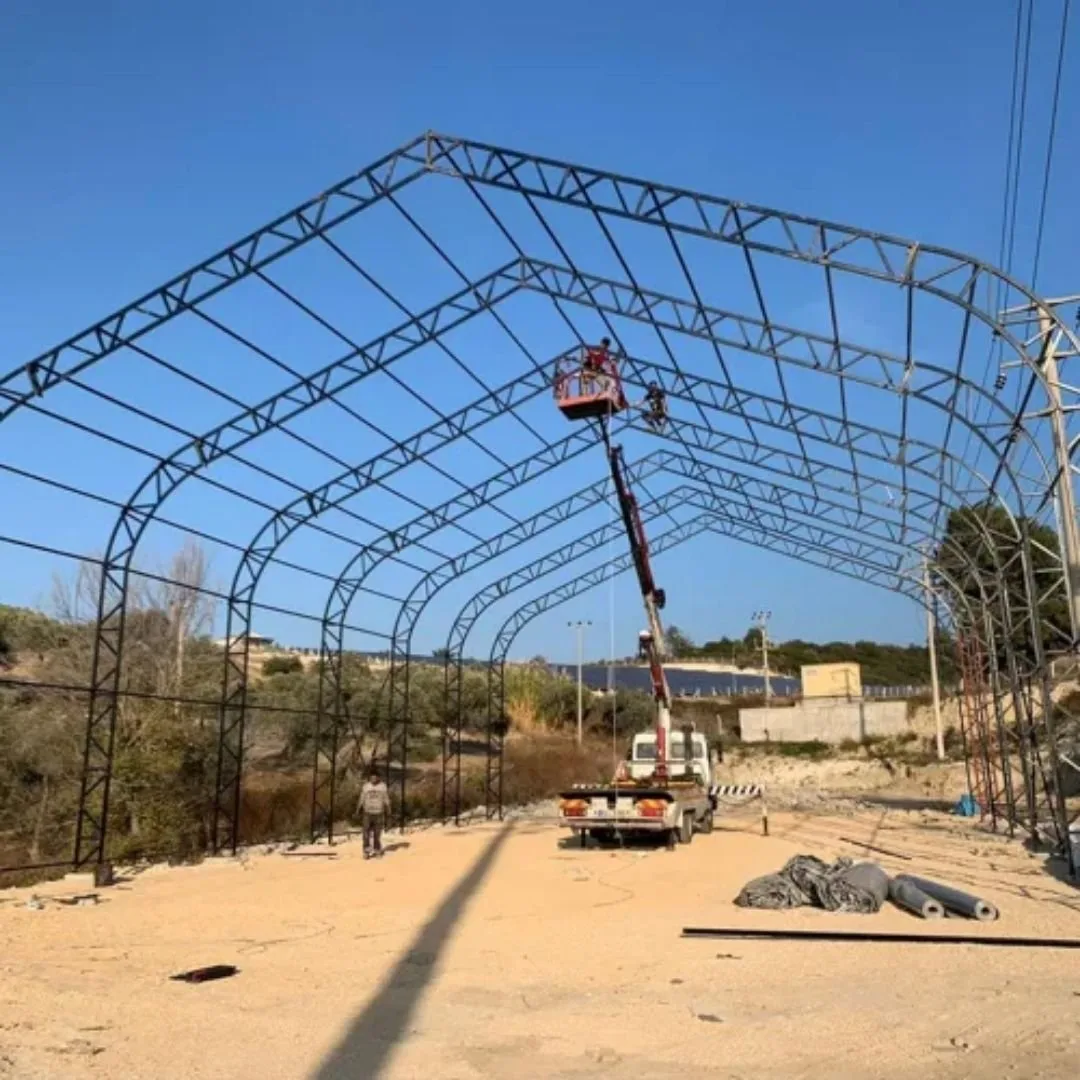
Hangar Tents are wide-span tents we supply to those who want to protect large vehicles such as trucks, construction machinery, aircraft or helicopters in a column-free interior. Door size and interior height are set by the vehicle's dimensions.

Product description

Column-free covered space for large vehicles

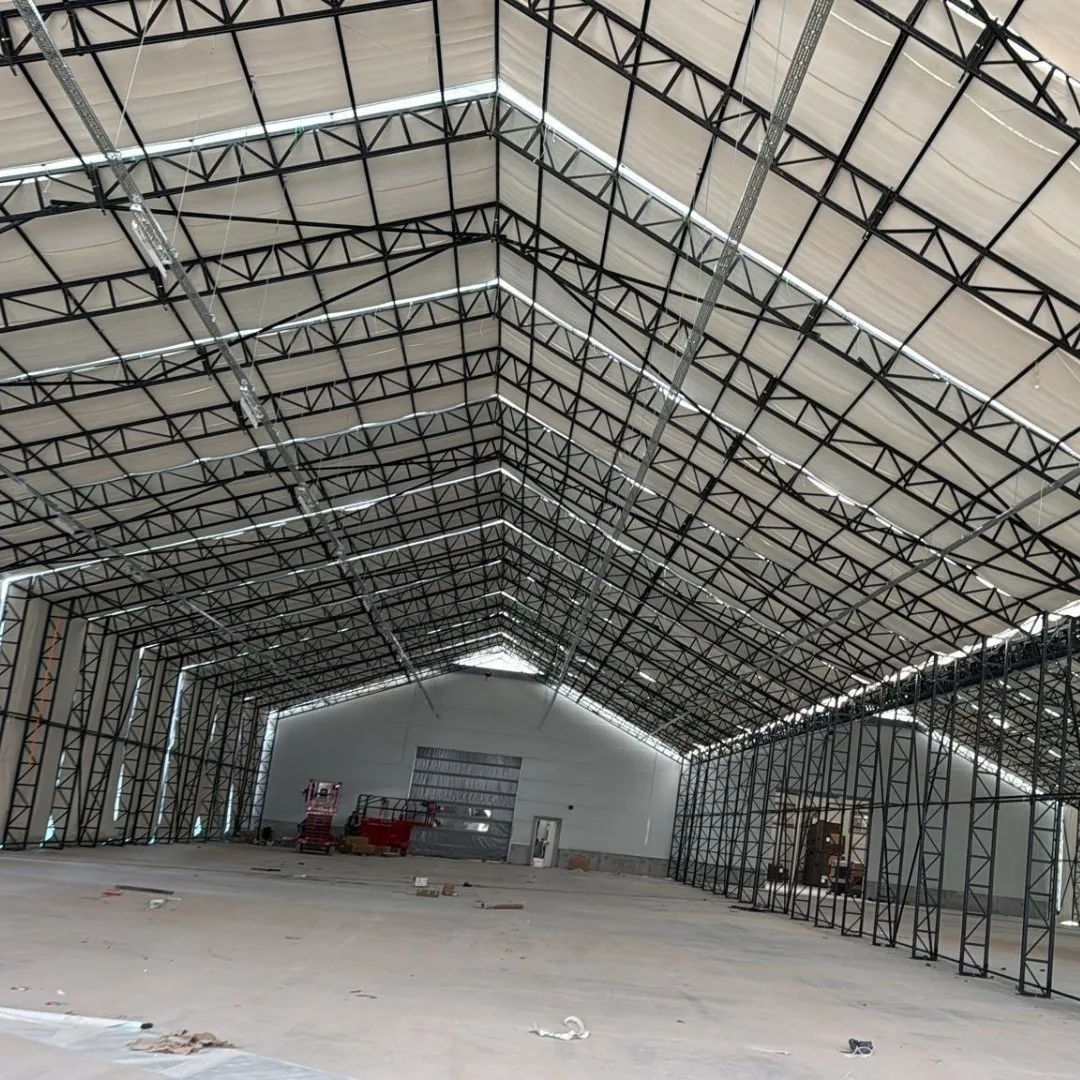
A hangar tent is for those who want to keep large vehicles such as trucks, buses, construction machinery, aircraft or helicopters in a covered area. The galvanized steel frame spans a wide opening without intermediate columns, and the top and sides are closed with PVC-coated polyester tarpaulin. We supply hangar tents, and we provide the Warehouse Tent Installation service with our own team.

With a hangar tent, the first question is the vehicle itself. In a warehouse tent, the size is set by the stacks; in a hangar, it is set by the vehicle's width, height and how it will turn inside. For construction machinery, the raised bucket or boom is taken into account; for aircraft, the wingspan and tail height.

Options for Hangar Tents

  • Column-free interior: There are no intermediate columns to block vehicle maneuvering inside. The width is calculated from the vehicle's dimensions and maneuvering allowance.
  • End door: The vehicle usually enters through a door on the short side of the tent. A sliding tarpaulin door, folding door or roller shutter can be chosen; its size is set by the vehicle.
  • Length: As the number of vehicles grows, the length is extended by adding modules to the frame.
  • Load: The frame is chosen according to the snow and wind load calculated for the project's location. With a wide span, this calculation directly determines the size.

Quote and permission

For a quote, send the width, height and length of the vehicle, how many vehicles will be housed, the ground and the address of the installation site. In Türkiye, Article 5 of Zoning Law No. 3194 also counts temporary and mobile facilities as structures. Consult your municipality or organized industrial zone management before setting up the tent.

If you will store materials and pallets, see the Warehouse Tents page; for boats and ships, see the Shipyard Tent page. You can reach us via the contact page.

What is Hangar Tents used for?

  • No intermediate columns

    Vehicles turn, park and exit inside without running into columns.

  • Door to suit the vehicle

    The width and height of the end door are set by the vehicle that will enter.

  • Extendable length

    Modules are added to the frame as the number of vehicles grows.

  • Installed by our own team

    We provide the Warehouse Tent Installation service with our own team.

How does Hangar Tents work?

In a hangar tent, the frame spans the opening between the two side walls without intermediate columns. The tarpaulin is stretched over this frame. The vehicle enters through the end door on the short side. Span and height are calculated from the vehicle, and the frame sections from the snow and wind load of the installation site.

  • Column-free Interior span Recorded in the product data sheet: no intermediate columns; width is calculated from the vehicle's dimensions.
  • Galvanized steel Support system Support system recorded in the product data sheet.
  • Per vehicle End door size Recorded in the product data sheet: sliding tarpaulin door, folding door or roller shutter; sized for the vehicle.

How Hangar Tents differs from standard products

TopicOrdinary productThis product
InteriorIn a structure with intermediate columns, vehicles maneuver between the columns. No intermediate columns; the whole interior is left for vehicles.
Vehicles left outdoorsMachinery and vehicles sit in snow and rain in an open yard in winter. Vehicles are kept in an area closed on top and at the sides.
RelocationA concrete hangar cannot be moved to another site. The frame can be dismantled and set up at another site.

Using and installing Hangar Tents

  1. Measure the vehicle

    Write down the width, height and length of the vehicles that will enter. For construction machinery, add the height of the raised bucket or boom.

  2. Set the number of vehicles and layout

    State how many vehicles will stand side by side or one behind another; the length is calculated from this.

  3. Choose the door direction

    Place the end door on the side vehicles approach from and leave a turning area in front of it.

  4. Check the ground and permission

    Tell us the ground type. Consult your municipality before setting it up.

Care: Check the end door mechanism, the tarpaulin tension and the anchor connections at regular intervals. Do not leave snow on the roof.

Where is Hangar Tents used?

  • Vehicle fleet
  • Construction machinery yard
  • Aircraft hangar
  • Helicopter hangar
  • Vehicle maintenance area
  • Mining and construction sites

Product details

Technical Specifications

Support System
Galvanized steel construction
Interior Span
No intermediate columns; width calculated from vehicle dimensions and maneuvering allowance
Interior Height
Set by vehicle height; the raised bucket or boom of construction machinery is taken into account
End Door
Sliding tarpaulin door, folding door or roller shutter; sized for the vehicle
Cover
PVC-coated polyester tarpaulin
Tarpaulin Weight
Common options are 650 g/m² and 900 g/m²; chosen according to where it is used
Length
According to the number of vehicles; extended by adding modules
Ground Anchoring
Anchors on concrete or asphalt, stakes on compacted aggregate
Snow and Wind Load
Calculated for the project's location
Installation
Warehouse Tent Installation service, with our own team
Applications
Construction machinery yards, vehicle fleets, aircraft and helicopter hangars, maintenance areas

Frequently Asked Questions

What is the difference between a hangar tent and a warehouse tent?

The size of a warehouse tent is set by the goods to be stored and the stacking height. In a hangar tent, it is set by the vehicle's width, height and maneuvering; that is why a wide column-free span and a large end door matter most.

How do I determine the door height?

Measure the height of the vehicles that will enter. Account for the raised bucket or boom of construction machinery or the tail height of aircraft, and add clearance on top.

Are there columns inside?

No. The frame spans between the two side walls without intermediate columns. As the width increases, the frame sections also get larger; this is calculated from the snow and wind load of the installation site.

Can vehicle maintenance be done inside?

Yes. If you will do maintenance, specify your lighting, electrical and ventilation requirements at the quote stage.

Is permission required for a hangar tent?

In Türkiye, the Zoning Law also counts temporary and mobile facilities as structures. Since it depends on the zoning status of the site, consult your municipality before setting it up.

Reviews

There are no reviews for this product yet — be the first to write one.

Write a Review
Your rating:

Your review will be published after moderation.

Call now WhatsApp